
Favorite
Gitana, Cahul
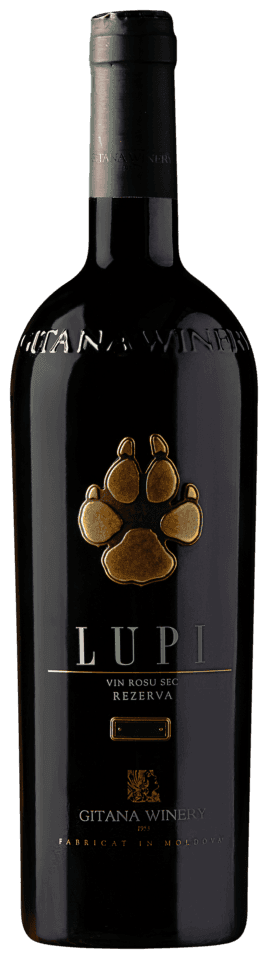
Lupi Rezerva
4.5/5
- Region
- Cahul
- Grapes
- Cabernet Sauvignon, Merlot, Saperavi
- Alcohol
- 14.5%
Taste profile: Blackberries, black berries, plums
€59.95
incl. VAT
Grape
Saperavi is a grape with a story. One of the world's oldest grape varieties, born in Georgia and rediscovered in Moldova, with a colour so deep it gave the grape its name. On this page you'll find everything about the Saperavi grape: where it comes from, what the wine tastes like, how to serve it, and which Saperavi wines you can order directly from us.
Saperavi is a grape with a story. One of the world's oldest grape varieties, born in Georgia and rediscovered in Moldova, with a colour so deep it gave the grape its name. On this page you'll find everything about the Saperavi grape: where it comes from, what the wine tastes like, how to serve it, and which Saperavi wines you can order directly from us.
2 wines, from €37.95
Ships from Maastricht to NL, BE, DE, LU, AT, FR, ES, IT, PT, CH, AD, MC. Free standard shipping from €250 in NL and BE.
Gitana, Cahul
Taste profile: Blackberries, black berries, plums
€59.95
incl. VAT
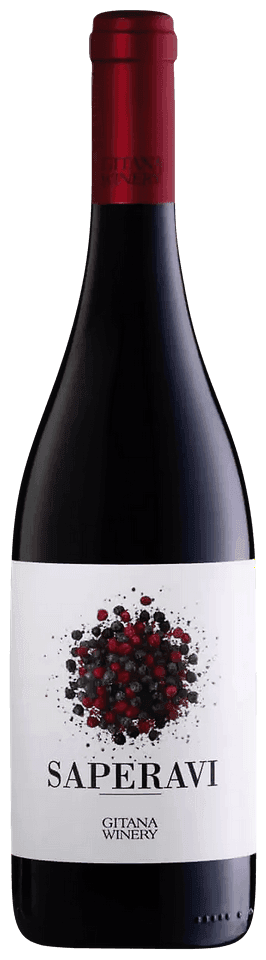
Gitana, Valul lui Traian
Taste profile: Dark cherries, cedar, mint
€37.95
incl. VAT
The Saperavi grape is one of the oldest grape varieties in the world. It originates from Georgia, a country that has been making wine for some 8,000 years and is often called the cradle of winemaking. In the eastern region of Kakheti in particular, Saperavi has been the leading red grape for centuries.
The name says it all: in Georgian, Saperavi roughly means 'giver of colour'. While almost all red grapes have colourless juice and draw their colour from the skins, Saperavi also has red-tinted flesh. A grape like that is called a teinturier, and it is a rarity. The result is a wine with a deep, almost opaque ruby colour.
From the Caucasus, the grape travelled on to neighbouring wine countries. In Moldova, Saperavi found a second home: warm summers, cool nights and a long, mild autumn give the grape exactly the time it needs to ripen slowly. It is no coincidence that some of today's finest Saperavis come from Moldova.
You can recognise a glass of Saperavi before you even taste it: the colour is deep and intense, often with purple reflections. On the nose you'll find dark fruit — blackberries, blackcurrants, dark cherries — layered with spicy notes of liquorice, pepper and sometimes a touch of cedar or tobacco.
On the palate, Saperavi is powerful and structured. Firm tannins give the wine backbone, while its naturally fresh acidity keeps it lively. That combination is exactly what makes Saperavi so interesting: dark and full-bodied, yet never heavy or clumsy.
The same structure gives the wine excellent ageing potential. Young Saperavi is fruit-driven and firm; after a few years in the bottle the tannins soften and the wine develops more complex aromas of leather, dried fruit and spice. If you enjoy a Malbec or a sturdy Syrah, you'll feel right at home with Saperavi — though this grape has a fresh edge you won't find everywhere.
Serve Saperavi neither too cold nor too warm: between 16 and 18 degrees Celsius is where the wine shows at its best. A young bottle benefits from an hour in a decanter; the tannins soften and the aromas open up. No decanter? Simply opening the bottle well in advance and pouring the wine into a large glass already helps.
At the table, Saperavi is a grateful companion. Its firm structure calls for dishes with character: a grilled steak or rib-eye, lamb with rosemary, or a rich stew that has been simmering for hours. Hard, aged cheeses — think mature Gouda or a sharp pecorino — make a beautiful match as well.
Saperavi also keeps very well. Store the bottle in a dark, cool place at a temperature as constant as possible, and a good Saperavi will continue to develop in the bottle for years.
If you want to buy Saperavi wine, NEVINI offers two wines in which this grape plays either the leading role or a striking supporting one. Both come from Gitana Winery in southern Moldova and have been carefully selected for our collection.
The Gitana Saperavi (€39.95) is made from 100% Saperavi grown in the Valul lui Traian region. An expressive red with dark cherries, cedar and mint on the nose, and a palate of black fruit, liquorice, pepper and sweet tobacco. Velvety and firm at the same time — a beautiful introduction to the grape.
The Lupi Rezerva 2018 (€59.95) shows what Saperavi can do in a blend. In this powerful wine from Cahul — Cabernet Sauvignon, Merlot and Saperavi — the grape brings deep colour and fresh tension.
Both wines are easy to order online. Not sure which Saperavi suits you best? Send us a message on WhatsApp — we're happy to think along with you from our home base in Maastricht.
Read more: Moldovan wine: Eastern Europe's best-kept secret or browse all Moldovan wines.
Saperavi is Georgian and roughly translates as 'dye' or 'giver of colour'. The grape owes that name to its red-tinted flesh: while most red grapes have colourless juice, with Saperavi the juice itself is coloured. The result is a wine with an exceptionally deep, almost opaque colour.
In colour and dark fruit, Saperavi is reminiscent of Malbec, while its spiciness recalls a sturdy Syrah. The big difference lies in the acidity: Saperavi stays remarkably fresh, even with a full, powerful flavour profile. If you enjoy those styles, Saperavi wine is a natural next discovery.
Thanks to its firm tannins and fresh acidity, Saperavi is very well suited to ageing. Stored in a dark, cool place, a good Saperavi can often mature for five to ten years, growing more complex along the way. You can of course also drink it young; just decant it for a while for extra suppleness.
Saperavi calls for dishes with character. Think grilled red meat such as steak or rib-eye, lamb, game, rich stews and hard, aged cheeses like mature Gouda or pecorino. Serve the wine at 16 to 18 degrees Celsius for the best match.
Saperavi is one of the world's oldest grape varieties and one of the few teinturier grapes, with coloured flesh rather than just coloured skins. On top of that, the grape is still barely known in Western Europe, making Saperavi wine a genuine discovery for anyone looking beyond the familiar names.