
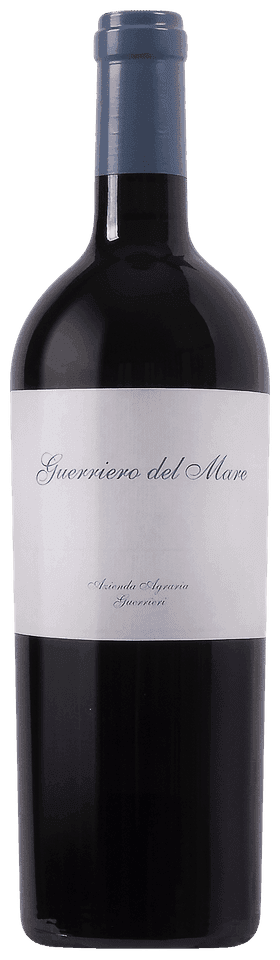
Great value
Guerrieri, Marche
Guerriero Del Mare
White wine
- Type
- White wine
- Region
- Marche
- Grapes
- Bianchello
- Alcohol
- 13.5%
Taste profile: Citrus, peach, white flowers
€26.50
incl. VAT
Grape
Bianchello is the white grape of the Metauro valley in the Marche: fresh and coastal in its classic form, surprisingly deep when a winemaker takes it seriously. On this page you'll find everything about the Bianchello grape: where it comes from, what the wine tastes like, what to pair it with, and which Bianchello wines you can order directly from us.
Bianchello is the white grape of the Metauro valley in the Marche: fresh and coastal in its classic form, surprisingly deep when a winemaker takes it seriously. On this page you'll find everything about the Bianchello grape: where it comes from, what the wine tastes like, what to pair it with, and which Bianchello wines you can order directly from us.
6 wines, from €8.95
Ships from Maastricht to NL, BE, DE, LU, AT, FR, ES, IT, PT, CH, AD, MC. Free standard shipping from €250 in NL and BE.
Guerrieri, Marche
White wine
Taste profile: Citrus, peach, white flowers
€26.50
incl. VAT
Guerrieri, Marche
White wine
Taste profile: Citrus, peach, white flowers
€54.95
incl. VAT
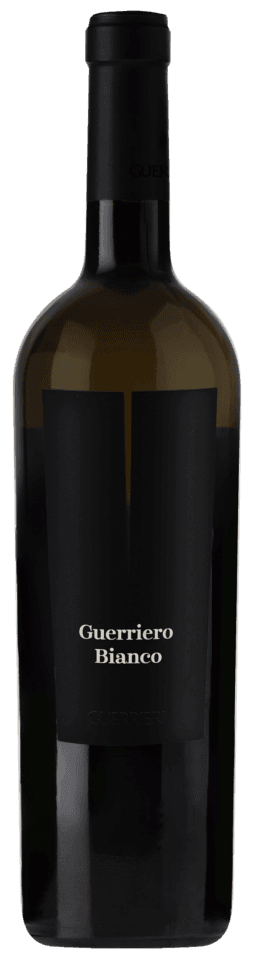
Guerrieri, Marche
White wine
Taste profile: Yellow peach, aromatic herbs, frisse citrus
€13.90
incl. VAT
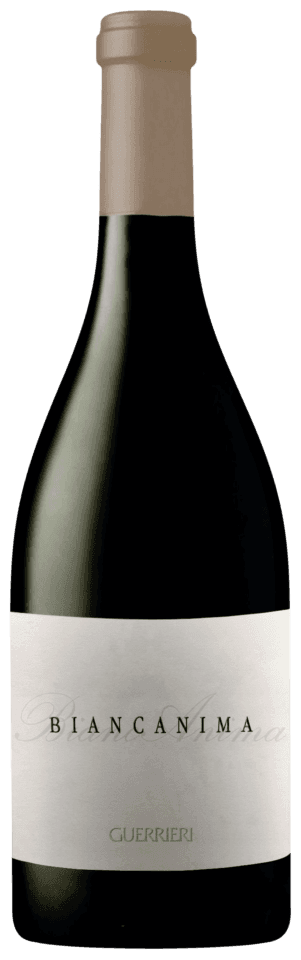
Guerrieri, Marche
White wine
Taste profile: White flowers, citrus, spices
€27.50
incl. VAT
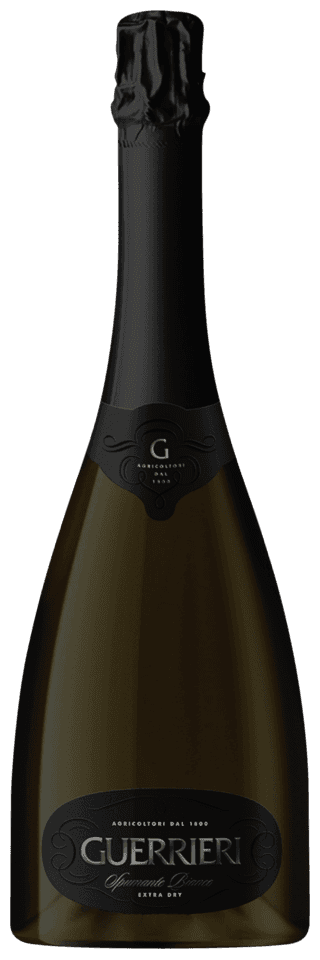
Guerrieri, Marche
Sparkling wine
Taste profile: Citrus, green apple, white flowers
€14.50
incl. VAT
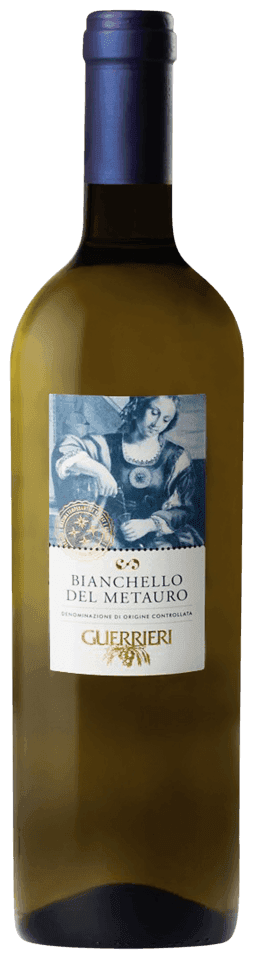
Guerrieri, Marche
White wine
Taste profile: Peach, white pear, white flowers
€8.95
incl. VAT
Bianchello is a white grape from the Marche, the region along the Adriatic coast of central Italy. Officially the grape is called Biancame, but in the valley of the river Metauro — between the coast at Fano and the hills around Urbino — everyone knows it as Bianchello. It even has its own appellation there: Bianchello del Metauro DOC.
The grape is tied to one of Italy's oldest wine stories. According to legend, the Carthaginian general Hasdrubal lost the Battle of the Metaurus in 207 BC partly because his troops had drunk too much of the local wine the night before. Whether it's true, no one knows — but it says enough: wine has been made along this river for more than two thousand years.
Outside the Marche you will rarely come across Bianchello. That is precisely what makes the grape such a lovely discovery: an authentic piece of Italy that was never mass-exported and has kept its own character.
In its classic form, Bianchello is freshness itself: a pale straw-yellow wine with delicate aromas of citrus, green apple, peach and white flowers. On the palate it is dry, clean and lively, with a subtle mineral touch reminiscent of the nearby sea. Its modest alcohol level makes it a wonderfully easy-going wine for sunny days.
But Bianchello can do more than light and fresh. Winemakers who take the grape seriously show it has surprising depth: a late harvest, skin maceration and ageing in cement, terracotta or French oak produce full, gastronomic whites with notes of ripe yellow fruit, herbs and a hint of vanilla — wines that easily handle a few years of bottle ageing.
Bianchello also excels as a sparkling wine. The grape's natural freshness translates into elegant, dry bubbles with citrus and green apple: an Italian aperitif through and through.
Serve a fresh, young Bianchello well chilled, at around 8 to 10 degrees Celsius. The fuller, barrel-aged styles show better at 10 to 12 degrees — slightly less cold, giving the richer aromas room to unfold.
Bianchello was born by the coast and you can taste it at the table. Fish and seafood are its natural partners: grilled fish, spaghetti alle vongole, oysters, prawns and fried dishes like fritto misto. Its fresh style also feels right at home with light starters, salads and young cheeses.
The gastronomic, aged versions can go a step further: pair them with pan-fried fish in butter sauce, shellfish risotto, white meat or even herb-roasted poultry. That is how Bianchello grows from a summery terrace wine into a serious dinner companion.
If you want to buy Bianchello wine, NEVINI is the place to be: all our Bianchellos come from the Guerrieri family, who show along the Metauro in the Marche just how versatile this grape is. We carefully selected these wines for our collection.
The Bianchello del Metauro DOC is the classic: crystal-clear, fresh and harmonious, with peach, white pear and white flowers. The Guerriero Bianco combines Bianchello with Verdicchio and ages in French oak for extra roundness.
Want to taste the grape's gastronomic side? Choose the Biancanima — made with skin maceration and aged in cement and Italian terracotta — or the flagship Guerriero del Mare: 100% Bianchello from the family's oldest vineyards, made only in exceptional harvest years. Of the latter we also carry an aged vintage edition. And with the Guerrieri Spumante, a fresh sparkler based on Bianchello, the aperitif is covered too.
All bottles are easy to order online. Not sure which Bianchello suits you best? Send us a message on WhatsApp — we're happy to think along with you from our home base in Maastricht.
Read more: About the Guerrieri family - the heart of our collection or browse all white wines.
There is no difference: Biancame is the grape's official name, while Bianchello is the name used in the Metauro valley in the Marche. The grape even has its own appellation there, the Bianchello del Metauro DOC.
Bianchello grows almost exclusively in the Marche, on the Adriatic coast of central Italy. The heart of production lies in the valley of the river Metauro, between Fano on the coast and the hills around Urbino. Outside this area the grape is rarely found.
Classic Bianchello is light, dry and fresh, with citrus, green apple, peach and white flowers and a subtle mineral touch. Gastronomic versions, made with skin maceration or oak ageing, are fuller and more complex, with ripe yellow fruit and spicy notes. The grape also excels as a dry sparkling wine.
Bianchello is a born fish wine: think grilled fish, spaghetti alle vongole, oysters, prawns and fritto misto. Light starters, salads and young cheeses work well too. Pair fuller, aged styles with shellfish risotto, pan-fried fish in butter sauce or white meat. Serve fresh styles at 8 to 10 degrees Celsius, fuller styles at 10 to 12 degrees.
According to legend, the Carthaginian general Hasdrubal lost the Battle of the Metaurus in 207 BC partly because his troops had drunk too much of the local wine the night before — the forerunner of today's Bianchello. Whether the story is true is uncertain, but it shows just how old the winemaking tradition in this valley is.