
Moldova is one of the oldest wine countries in the world, yet hardly anyone knows the grapes behind its wines. Rara Neagra, Feteasca Neagra, Viorica: names you rarely see on a wine list, which is exactly what makes them worth knowing. In this article we walk you through the most important Moldovan grape varieties, from the indigenous classics to the Georgian guest that found a second home.
More than Cabernet and Chardonnay
Look at Moldova's vineyards and you will spot plenty of familiar names. Cabernet Sauvignon, Merlot, Chardonnay and Sauvignon Blanc all grow here, often with excellent results. The temperate climate and fertile black soil suit them well.
But the real story of Moldova lies in its own grape varieties. A new generation of winemakers is dusting off these indigenous grapes and proving they can compete internationally. Five names to remember.
Rara Neagra: homegrown elegance
Rara Neagra is one of the oldest grapes of the region and perhaps its most characteristic. In Romania it goes by the name Babeasca Neagra. The wines are light in colour, with soft tannins, juicy red fruit and fresh acidity. Think of the elegance of a Pinot Noir rather than a heavyweight from the south.
The grape has long played a leading role in Negru de Purcari, the country's most famous blend, where it joins Cabernet Sauvignon and Saperavi. That combination says it all: Rara Neagra brings finesse where the other two bring power.
Feteasca Neagra: the "black maiden"
Feteasca Neagra literally means "black maiden". It is an ancient variety from the border region of Romania and Moldova. The wines show dark fruit such as plum and blackberry, with a spicy, sometimes lightly smoky undertone.
Styles range from supple and fruit-driven to serious and barrel-aged. Good examples age for years and gain complexity along the way. For lovers of sturdy reds, this is the indigenous grape to watch.
Feteasca Alba and Feteasca Regala: the white sisters
The Feteasca family has two white faces as well. Feteasca Alba ("white maiden") is the older of the two: delicate, floral and light, at its best as a fresh, uncomplicated white.
Feteasca Regala ("royal maiden") is considerably younger, a crossing of Feteasca Alba and Furmint. You can taste that parentage: more acidity, more tension, and therefore more versatility. You will find it as a crisp dry white, but also as a base for sparkling wines.
Viorica: the aromatic calling card
Viorica is a true Moldovan creation, developed in the twentieth century by local grape breeders. It produces outspokenly aromatic whites with notes of flowers, muscat and spice, somewhat related to Muscat or Gewürztraminer.
Among young Moldovan winemakers, Viorica has become something of a calling card: a grape that grows nowhere else and immediately tells you where it comes from.
Saperavi: the Georgian guest that stayed
And then there is Saperavi. Strictly speaking not a Moldovan grape, it originates in Georgia, but in southern Moldova it feels completely at home. Saperavi is one of the few grapes with red-coloured flesh, which gives the wine its deep, almost opaque colour, firm structure and fresh acidity.
Want to dive deeper into this remarkable grape? Read the full story in our article on Moldovan wine and the Saperavi grape, or visit our Saperavi grape page for all its taste and serving tips at a glance.
Which Moldovan grapes can you taste at NEVINI?
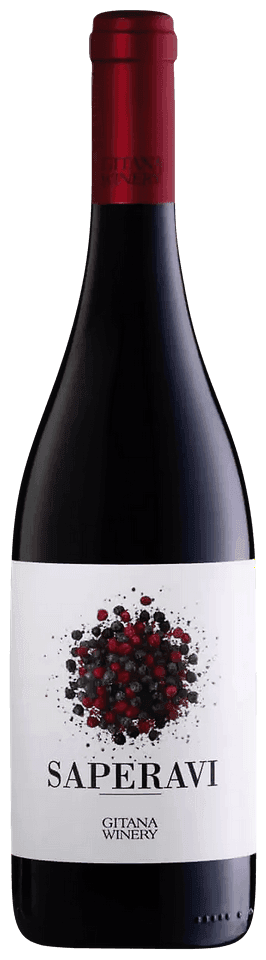
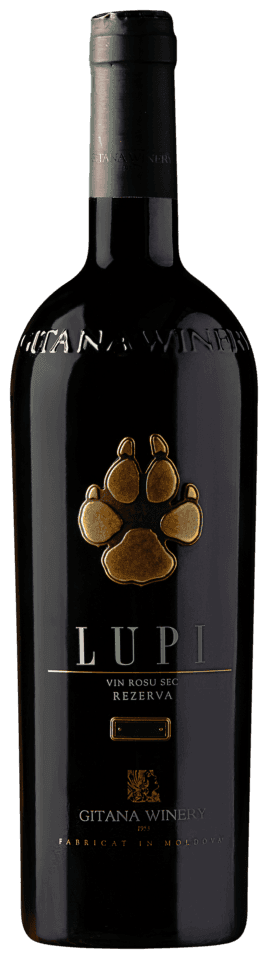
To be honest: we do not (yet) carry Rara Neagra or Viorica. Our Moldovan selection currently revolves around Saperavi, with two carefully selected wines from Gitana Winery.
The Gitana Saperavi is 100% Saperavi: dark cherry, cedar and pepper, velvety and expressive. The Lupi Rezerva is a powerful blend of Cabernet Sauvignon, Merlot and Saperavi, with long barrel ageing and a refined finish.
Two bottles, one grape family as the common thread, and who knows what comes next. Moldova's grape landscape is big enough to keep exploring for years.
View our Moldovan wines → or browse our full collection.