The best Amarone wine is not the same bottle for everyone. Are you looking for a first introduction, an elegant wine for dinner or a Riserva for a special occasion? Below we compare five Amarones from Zenato, Speri and Zýmē in our own selection. This is a buying guide, not a universal ranking.
Ready to compare and buy? Browse our Amarone della Valpolicella collection. The product pages show current prices, offered vintages and availability, which can change.
Amarone della Valpolicella is one of Italy's great red wines. Grapes that dry for months on wooden racks, a slow fermentation deep in winter, years of ageing in large oak casks: the appassimento process turns modest grapes like Corvina and Rondinella into a wine with a concentration you will not find anywhere else. You can read exactly how that works in our article about Amarone and the appassimento process.
Which Amarone suits your taste?
- A classic introduction: Zenato Classico, full and velvety.
- Elegance with dinner: Speri Monte Sant'Urbano, with a refined structure.
- A special occasion: compare Sergio Zenato Riserva, Zýmē Classico and La Mattonara Riserva.
Also in our selection: the Villa Loren Amarone della Valpolicella 2021, full and warm, made from Corvina, Corvinone and Rondinella, with dried cherry and plum. And the Pietro Dal Cero Amarone 2019 from Cà dei Frati, powerful and layered, with amarena, chocolate and sweet spice. Looking for something lighter and softer? Read Amarone or Ripasso.
Wines from this article
The bottles from this article, at current prices.The bottles discussed in this article, from our own selection. Prices and vintages are current.
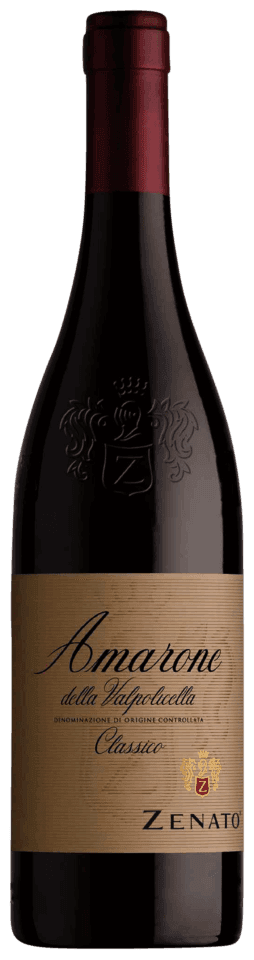
Zenato, Veneto
Amarone della Valpolicella Classico 2020
- Region
- Veneto
- Grapes
- Corvina Veronese, Rondinella, Oseleta
- Alcohol
- 16.5%
Taste profile: Marasca cherry, dried plums, fig
€44.95
incl. VAT
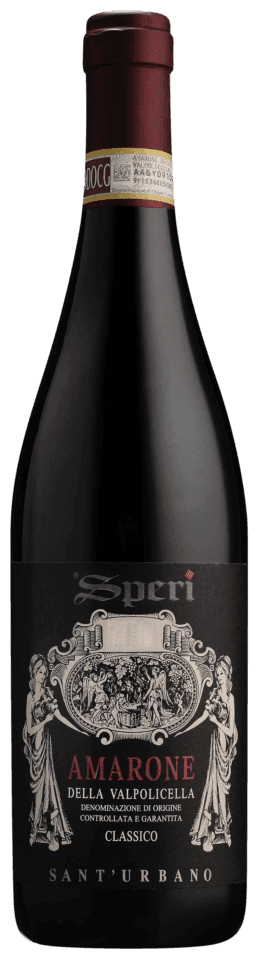
Speri, Veneto
Speri Vigneto Monte Sant'Urbano Amarone della Valpolicella Classico
- Region
- Veneto
- Grapes
- Corvina, Rondinella, Molinara
- Alcohol
- 15%
Taste profile: Dried fruit, ethereal, full
€49.50
incl. VAT
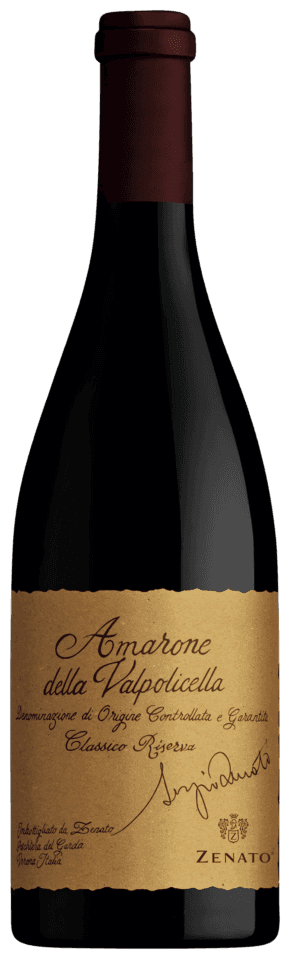
Zenato, Veneto
Amarone della Valpolicella Classico Riserva Sergio Zenato 2018
- Region
- Veneto
- Grapes
- Corvina, Rondinella, Oseleta
- Alcohol
- 16.5%
Taste profile: Marasca cherry, dried plums, fig
€89.95
incl. VAT
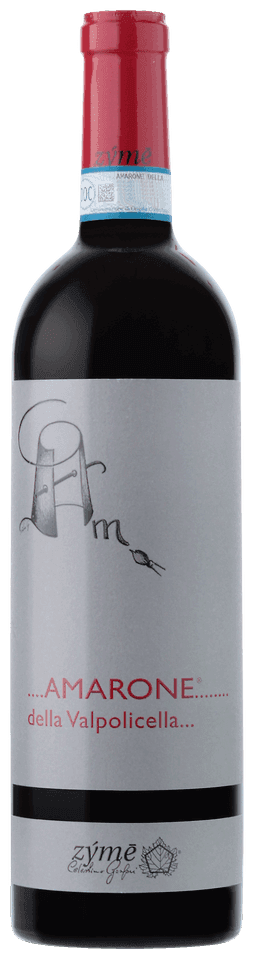
Zýmē, Veneto
Amarone Della Valpolicella Classico 2018
- Region
- Veneto
- Grapes
- Corvina, Corvinone, Rondinella
- Alcohol
- 15.5%
Taste profile: Candied cherries, plums, dark chocolate
€108.95
incl. VAT
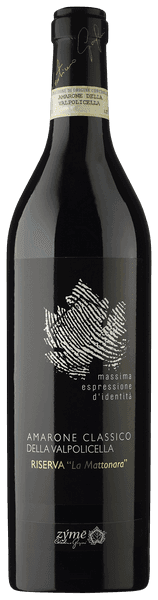
Zýmē, Veneto
La Mattonara Amarone della Valpolicella Classico Riserva DOCG 2009
- Region
- Veneto
- Grapes
- Corvina, Corvinone, Rondinella
- Alcohol
- 16%
Taste profile: Dried fruit, raisins, candied cherries
€365.00
incl. VAT
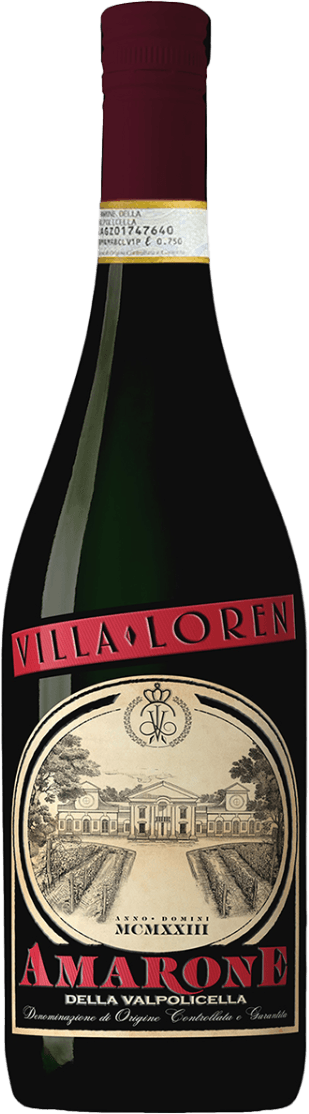
Villa Loren, Veneto
Villa Loren Amarone della Valpolicella DOCG 2021
- Region
- Veneto
- Grapes
- Corvina, Corvinone, Rondinella
- Alcohol
- 15%
Taste profile: Dried cherries, plum, spicy
€36.85
incl. VAT
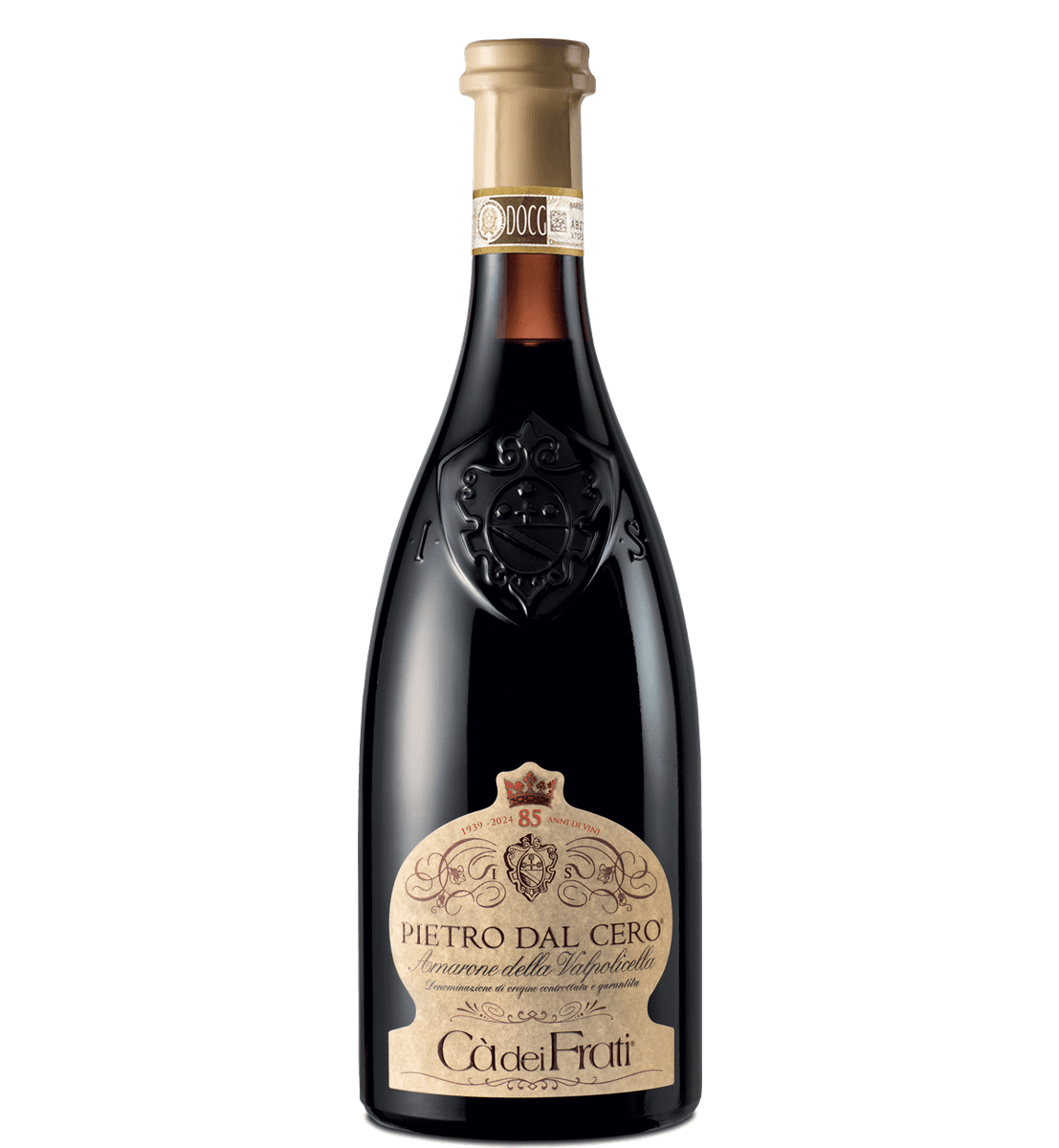
Cà dei Frati, Veneto
Pietro Dal Cero Amarone della Valpolicella 2019
- Region
- Veneto
- Grapes
- Corvina, Corvinone, Rondinella
- Alcohol
- 16%
Taste profile: Amarena cherry, chocolate, sweet spices
€69.50
incl. VAT
1. Zenato Amarone della Valpolicella Classico 2020 — a classic introduction
The Zenato Amarone della Valpolicella Classico 2020 is, for us, the ideal introduction to the world of Amarone. Zenato's Amarone grapes come from the hills around Sant'Ambrogio di Valpolicella, in the heart of Valpolicella Classica, and the house works strictly by the classic playbook: carefully selected grapes that dry for three to four months after the harvest.
The blend of Corvina Veronese, Rondinella, Oseleta and Croatina gives a nose full of marasca cherries, dried plum, fig, sweet tobacco, fine spices, balsamic notes, leather and cocoa. On the palate it is warm, full and velvety, with present tannins and enough freshness to keep all that power in balance. After the slow fermentation, the wine ages for years in large oak casks, followed by further bottle ageing.
At 16.5% alcohol this is no modest wine, yet it is a remarkably balanced one. Serve it at 18 degrees with braised meat, roasts, game or aged cheeses. If you are buying your first Amarone, start here.
2. Speri Vigneto Monte Sant'Urbano 2019 — the elegant single vineyard
The Speri Vigneto Monte Sant'Urbano Amarone della Valpolicella Classico proves that Amarone can also be refined. All the grapes come from a single vineyard, Monte Sant'Urbano, and are selected by hand. They then dry for around a hundred days following the traditional appassimento method, losing about 40% of their weight.
The classic blend of Corvina, Rondinella and Molinara yields a deep garnet wine with an ethereal, complex bouquet of dried fruit. On the palate it is full, warm and enveloping, yet completely dry, with a rich structure and a long, elegant finish. The ageing is serious: 24 months in 500-litre French oak tonneaux, then 18 months in medium to large Slavonian oak casks, and finally another 12 months in bottle.
At 15% alcohol this is the most restrained Amarone on this list. If you value elegance over sheer power, choose the Speri.
3. Zenato Riserva Sergio Zenato 2018 — the signature wine for the cellar
A step up is the Amarone della Valpolicella Classico Riserva Sergio Zenato 2018, the signature wine of the Zenato house. This Riserva comes exclusively from the oldest vineyards of Sant'Ambrogio di Valpolicella, carries the name of founder Sergio Zenato and is built for long ageing.
The hand-selected grapes dry for around four months and are then fermented slowly. The wine subsequently ages for about five years in large Slavonian oak casks and at least one year in bottle. The result is broad and ripe on the nose — marasca cherries, dried plum, fig, tobacco, leather, sweet spices, liquorice and subtle balsamic nuances — and full, deep and balanced on the palate, with soft tannins and a long, harmonious finish.
In Italy they call this a meditation wine: even without food, in a good glass on a quiet evening, it is magnificent. If you have a wine cellar, put a few bottles away.
4. Zýmē Amarone Classico 2018 — the critics' favourite
The Zýmē Amarone della Valpolicella Classico 2018 comes from winemaker Celestino Gaspari, son-in-law and pupil of the legendary Giuseppe Quintarelli. The blend is unusually complete: 40% Corvina, 30% Corvinone, 15% Rondinella, 10% Oseleta and 5% Croatina. The grapes dry for three to four months on wooden racks, after which the wine ages for at least five years in large Slavonian oak casks.
The bouquet is intense and complex: ripe red fruit, candied cherries, plums, sweet spices, dark chocolate, tobacco and balsamic notes. On the palate it is full and velvety, with elegant tannins, cocoa and vanilla, kept in balance by freshness and a mineral finish with peppery undertones.
The scores for this 2018 speak volumes: 96 points from Falstaff, 96 from James Suckling, 97 from Luca Maroni and 93 from Wine Spectator. But as always: scores never tell the whole story. This is an Amarone you have to taste to understand.
5. Zýmē La Mattonara Riserva 2009 — the legend
At the very top stands the La Mattonara Amarone della Valpolicella Classico Riserva DOCG 2009, the absolute masterpiece of Celestino Gaspari. The name refers to the bricks (mattoni) on which the grapes are traditionally dried for the appassimento process.
Only the best grapes from the oldest vineyards — Corvina, Corvinone, Rondinella, Oseleta and Croatina — make it into this bottle. After drying, the wine ages for years in large Slavonian oak casks, followed by extensive bottle ageing. The 2009 is one of the most acclaimed vintages of the house, and only a few thousand bottles were produced.
On the nose, an overwhelmingly complex bouquet of dried fruit, raisins, candied cherries, pure cocoa, tobacco, leather, balsamic notes, minerals and exotic spices. On the palate it is monumental: full, powerful and incredibly layered, with a velvety texture and an endless finish. Not a wine for every day, but for the moments you will still remember years later.
Which Amarone should you buy in 2026?
The honest answer: it depends on the occasion and your budget.
For your first encounter, the Zenato Classico 2020 is the logical choice: classic, full and velvety. Looking for more elegance? Then the Speri Monte Sant'Urbano is a beautiful single-vineyard alternative.
For a special occasion or the cellar, go for the Sergio Zenato Riserva 2018 or the Zýmē Classico 2018. And for a milestone — an anniversary, a birth year, a bottle never to forget — there is the La Mattonara 2009.
Serve Amarone at 16 to 18 degrees and give a young bottle one to two hours in a decanter. A beautifully matured Amarone usually needs less air.
Browse the full Amarone collection for current prices and availability, or discover our other Italian wines.