
Spain has more vines in the ground than any other country in the world. More than France, more than Italy. And yet Spanish wine is often underestimated. Many people never get past the eight-euro supermarket bottle. Fine at a barbecue, but it tells you nothing about what this country is truly capable of.
The best Spanish wines combine patience with character. Years in oak. Years in bottle. And when you open them, you taste that time. A kind of calm you rarely find in other wine countries.
In this guide we take you through the three regions that form the heart of the Spanish wine world: Rioja, Ribera del Duero and Priorat. Plus seven wines that show why wine from Spain is so exciting right now.
Rioja wine: the region where it all begins
Rioja is Spain's most recognisable wine region. Almost everyone knows the name. But the real Rioja, the Rioja that stays with you, is not the one on the supermarket shelf. It comes from bodegas that have been doing the same thing for more than a hundred years. Not out of tradition for tradition's sake, but because the result speaks for itself.
The heart of the region is Haro, a town of five thousand inhabitants in La Rioja Alta. More historic bodegas per square metre than anywhere else in Europe. The houses here work with Tempranillo as their main grape, complemented by Garnacha, Graciano and Mazuelo. Long ageing in American oak gives the wines their signature softness: vanilla, leather, tobacco, dried fruit.
La Rioja Alta: six years of patience in a glass
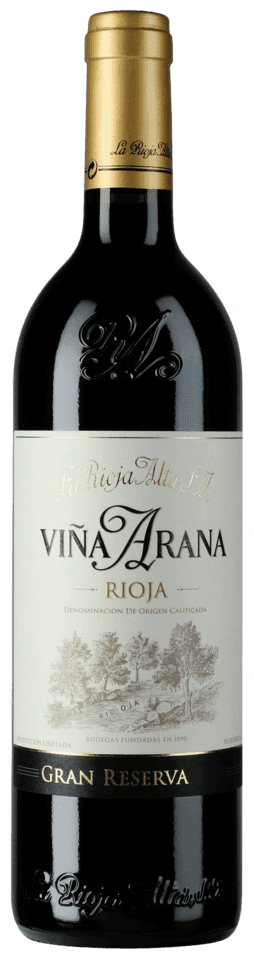
Vina Arana Gran Reserva is proof that great craftsmanship does not have to cost a fortune. La Rioja Alta has been making wine since 1890. At this house, the word "hurry" simply does not exist. This Gran Reserva spends three years in American oak, followed by another three years in bottle. Only then is it allowed out of the door.
Tempranillo with a touch of Graciano. Soft and elegant, with notes of leather, tobacco and dried fruit. The kind of Spanish red wine you drink slowly, then regret that the bottle is already empty. For €44.95. At many other houses you would easily pay double for the same quality.
Lopez de Heredia: buying Rioja from Spain's most headstrong house
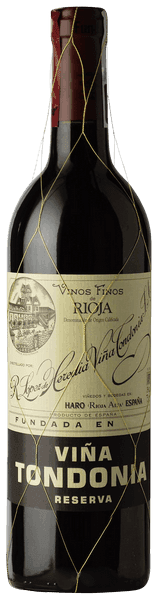
Vina Tondonia Reserva 2012 comes from a bodega that does everything at its own pace. Everything, truly. The wine ferments in large wooden vats, ages for years in old oak barrels and is only released when the house decides the moment has come. Not when the market asks for it. Not when the importer calls.
A blend of Tempranillo, Garnacha, Graciano and Mazuelo. At the first sip you might think: this tastes like another era. Not old-fashioned. Timeless. It is wine that slows you down, that demands your attention and rewards it. €42.95 for craftsmanship without compromise.
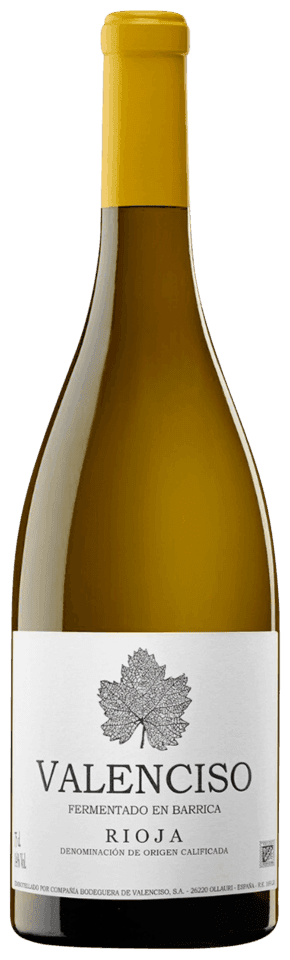
Want to buy Rioja but not quite ready for a Gran Reserva? Then try the Rioja Blanco. Viura and Grenache Blanc, fresh and approachable, with more depth than you would expect from a white Rioja. Lovely as an aperitif and surprisingly good with grilled fish.
Ribera del Duero: Tempranillo with extra bite
If Rioja is known for elegance and patience, Ribera del Duero stands for intensity and ambition. The region sits at around 800 metres on the Meseta, Spain's central plateau. Scorching hot by day, cold at night. Those extreme temperature swings give Tempranillo (known here as Tinto Fino) a completely different character than in Rioja. Darker. More powerful. More concentrated.
The landscape reflects it. No rolling hills lined with cypresses. Dust, stone and vines. That austerity carries through into the wines. No frills, pure fruit and structure.
Aalto: the hand of a master
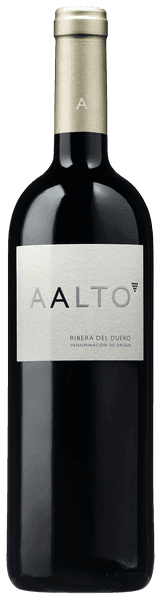
Aalto bears the signature of Mariano Garcia, for decades the winemaker at Vega Sicilia, the most famous wine address in Spain. When Garcia struck out on his own, the entire wine world was watching. Rightly so.
Aalto is dark fruit, spice, a whisper of smoke. But never overdone. Always controlled. The best Spanish wines have that quality: they show their power without flaunting it. €47.95, and every euro is in the wine. Not in the packaging.
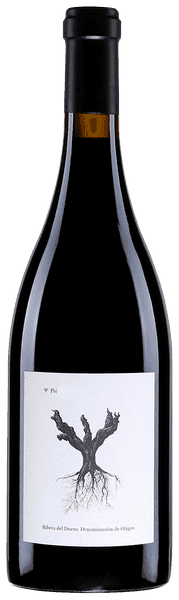
PSI: biodynamic Tempranillo from old vines
PSI is the project of Peter Sisseck, the Dane who happened to find his home in Ribera del Duero and created Pingus there. A cult classic and one of the most expensive Spanish wines ever. But PSI is a very different story.
Biodynamically farmed. Old Tempranillo vines, spread across different villages in the region. The idea: a wine that captures the mosaic of the whole of Ribera del Duero in a single bottle. Rawer than Aalto, less polished, more honest. Sometimes that is exactly what you are after. €46.95 for one of the most singular wines in our range.
Tempranillo is the king of Spain's red grapes. In Rioja it produces elegant, softer wines. In Ribera del Duero, at high altitude and with extreme temperature swings, the same grape becomes more intense and more powerful. Two regions, one grape, two completely different characters.
Priorat wine: Spain's greatest comeback story
This is one of the most remarkable stories in the wine world.
In the seventies, Priorat was nearly dead. The old slate terraces (llicorella) lay abandoned in the hills of Catalonia. The young had left for Barcelona. The Garnacha vines that remained were old and forgotten.
Until a handful of winemakers returned in the eighties and discovered what everyone else had overlooked. Those poor, weathered slate soils. Those steep slopes where roots grow metres deep in search of water. Precisely those extreme conditions produce grapes with a concentration and minerality you will not find anywhere else.
Today Priorat is, alongside Rioja, the only Spanish region with the highest classification (DOCa). From near extinction to the absolute top. In thirty years.
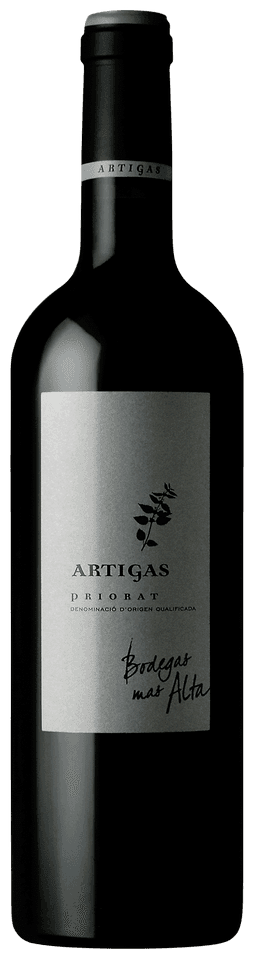
Artigas: the white surprise from Priorat
Artigas from Bodegas Mas Alta is a wine that turns expectations upside down. Because this is a white Priorat wine. Garnacha, Pedro Ximenez and Macabeu. Citrus, white flowers, stone fruit. And that typical Priorat minerality, but in a white wine glass.
Many wine lovers only think of powerful reds when they hear Priorat. This white shows the region has more to offer. €29.50 for a wine that changes how you look at Priorat.
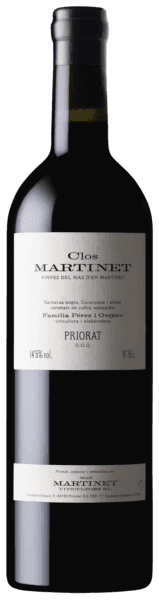
Clos Martinet: Garnacha at its finest
The Clos Martinet 2022 deserves a moment of silence.
Mas Martinet is one of the bodegas that saved Priorat from oblivion. Sara Perez, daughter of founder Jose Luis Perez, makes wines here that translate the terroir down to the very last layer of flavour. Garnacha, Carinena, Syrah, Cabernet Sauvignon. Complex on paper. Perfectly logical in the glass.
The 2022 vintage is young and intense, with layers of dark fruit, liquorice and minerals. The finish goes on and on. €79.95 is not an everyday amount. But open this bottle on the right evening, with the right people, and you will know exactly what you paid for.
Buying Spanish wine: where do you start?
Seven wines is a lot to choose from, especially if you are just getting into Spanish wine. A few pointers.
Looking for the essence of Spanish red wine? Start with PSI or Aalto. Two very different faces of Ribera del Duero, both under fifty euros, both impressive.
Fancy something surprising? Go for the Artigas. Nobody expects a white Priorat wine, which is exactly what makes it such fun to put on the table.
Ready for the best of Spain? The Clos Martinet or the Vina Tondonia. Two wines you will not soon forget. The first brings the power and minerality of Priorat. The second the timeless elegance of Rioja.
Spain has more hectares of vineyard than any other country. Yet Spanish winemakers produce less wine per hectare than their French or Italian colleagues. Dry soils and low yields make for concentrated, characterful wines. Quality over quantity, baked into the landscape itself.
What makes wine from Spain so special?
The answer lies in the combination of climate, soil and time.
Spain has an enormous variety of terroirs. From the cool, Atlantic-influenced hills of Rioja to the sweltering high plains of Ribera del Duero and the steep slate terraces of Priorat. Each landscape leaves its mark on the grape.
Add to that the Spanish culture of ageing. No other wine country in the world holds on to its wines this long before release. A Rioja Gran Reserva has at least five years of ageing behind it before it reaches the shelf. At houses like La Rioja Alta and Lopez de Heredia, six to ten years is closer to the truth. The result: wines that are exactly right the moment you open them. No guesswork, no years of cellaring on your part.
And then the price. Compared with Bordeaux, Barolo or Burgundy, Spanish wine still offers remarkable quality for the money. A forty-five-euro bottle from Rioja or Ribera del Duero can effortlessly hold its own against French wines at twice the price.
That makes buying Spanish wine attractive for beginners and connoisseurs alike. Approachable enough to start with, deep enough to keep discovering for years.
Want to taste for yourself? Browse our Spanish wines or dive straight into the slate world of Priorat.