
Ask a sommelier which grape stands out most this year and there is a good chance the answer will be Garnacha. It was everywhere at the 2026 wine fairs, but not in the style you might expect. Less oak, less power for power's sake, and more fruit and freshness. Exactly the direction wine lovers are looking for now.
We have imported wines in which Garnacha plays the leading role, or quietly contributes to the blend, for years. So it is time for an honest introduction to a grape that was underestimated for a long time and is finally receiving the attention it deserves.
What is Garnacha?
Garnacha, known as Grenache in France, originated in northern Spain. From there it conquered the entire Mediterranean region, from Priorat and Rioja to the southern Rhône and Sardinia, where it is called Cannonau.
The grape thrives in heat and drought. Old Garnacha vines often grow as individual bushes in poor soils without irrigation, producing small quantities of concentrated fruit. This also makes the variety interesting in a warming climate: Garnacha holds its ground where other grapes struggle.
In the glass, it is recognisable by ripe red fruit, strawberry and cherry, soft tannins and a warm, spicy undertone. It is also a chameleon. The same grape can produce light, juicy wines, serious cellar-worthy bottles and even white wine.
Why is Garnacha trending now?
Two movements are coming together. First, we are drinking lighter. Younger wine drinkers increasingly choose reds with approachable fruit and fresh acidity, preferably served lightly chilled. Garnacha is perfectly suited to this, especially in the more elegant style that winemakers now pursue.
Second, old vineyards are being rediscovered. Spain has thousands of hectares of very old Garnacha vines that were ignored for decades. Winemakers are now discovering what those old vines can achieve: wines with depth and minerality, without heaviness.
Chilled red: how to serve Garnacha
Serving red wine lightly chilled is not a fad; it is simply delicious in warm weather. A light, fruity Garnacha comes alive at 14 to 16°C: the fruit becomes more focused, the alcohol recedes and the wine's refreshing side comes forward.
In practice, put the bottle in the fridge for half an hour and taste it along the way. Serving it too cold suppresses the aromas, so it is better to pour it slightly too cool and let it warm in the glass. You can find more warm-weather serving tips in our guide to wine with barbecue.
This only applies to the lighter style. Serve a great Priorat or a mature Châteauneuf-du-Pape at 16 to 18°C.
Garnacha at its greatest: Priorat
If you want to discover what this grape can truly achieve, Priorat is the place to go. Old Garnacha vines grow on Catalonia's steep slate slopes, producing wines with a rare combination of power and minerality.
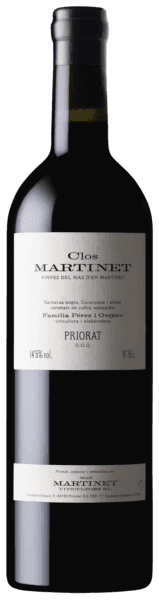
The Clos Martinet 2022 by Mas Martinet is our best example. Garnacha blended with Cariñena, Syrah and Cabernet, young and intense, with layers of dark fruit, liquorice and minerals. This is not an everyday bottle, but it shows why Priorat shares Spain's highest classification with Rioja. For more Spanish context, read our Spanish selection from Rioja to Priorat.
Garnacha in white: Garnacha Blanca
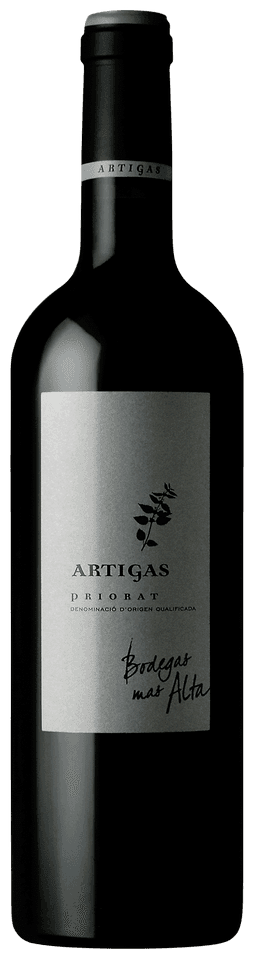
Less well known but every bit as interesting is the white variety. Artigas by Bodegas Mas Alta is a white Priorat made from Garnacha Blanca with Pedro Ximénez and Macabeu. Citrus, white flowers, stone fruit and that characteristic slate minerality make it a surprising bottle for anyone who thinks Priorat can only be red.
The French side: Grenache in the Rhône
In the southern Rhône, Grenache is the backbone of almost every great wine. It reaches its most generous expression in Châteauneuf-du-Pape: ripe, spicy and full, with the characteristic warmth of sun-baked stones.
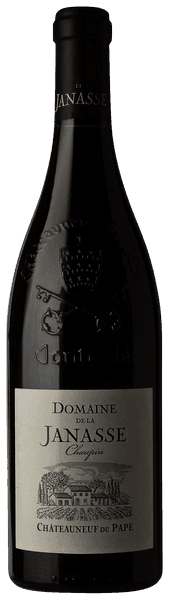
Domaine de la Janasse's Châteauneuf-du-Pape Cuvée Chaupin 2021 is entirely focused on Grenache from old vines. Silk and power in a single glass, and a beautiful way to taste how differently the same grape performs on the French side of the border.
How to start with Garnacha
Our advice comes in three steps. Start light with a smooth, fruity Garnacha served lightly chilled on a summer evening. Then explore the depth of a white Priorat such as Artigas. And when you are ready, open a Clos Martinet or a Châteauneuf-du-Pape and taste why this grape is receiving so much attention.
Not sure which bottle suits you? We are happy to help, just as we would in the shop.
Drink responsibly. 18+