Choosing between Amarone and Ripasso? On the label they look like relatives — and they are. Both wines come from Valpolicella in Veneto. Yet the difference in the cellar is considerable. Amarone is made from dried grapes; Ripasso gains extra depth when a basic Valpolicella is refermented on the grape skins and pomace of Amarone or Recioto. The result is two distinct styles, for two distinct occasions.
Below, we explain how they are made, what you can broadly expect from each and which bottle best suits your table or occasion.
The difference at a glance
| Amarone della Valpolicella DOCG | Valpolicella Ripasso DOC |
|---|---|
| Method: dried grapes are fermented in winter. | Method: basic Valpolicella is refermented on the pomace of Amarone and/or Recioto. |
| Style: a dry wine with deep concentration and generally a full, powerful style. | Style: more body than standard Valpolicella; often a more approachable choice than Amarone. |
| Occasion: a substantial dinner, game or aged cheese — or quiet time after dinner. | Occasion: a hearty meal when you want a full red without immediately choosing Amarone. |
These denominations are not a quality ladder on which Ripasso is simply “cheaper Amarone”. They are different wines with their own production methods. It is more useful to see Ripasso as a bridge between the fresh, lighter style of standard Valpolicella and the intensity of Amarone.
Why Amarone is so concentrated
For Amarone, grapes are dried after harvest in a fruttaio. According to the Consorzio Tutela Vini Valpolicella, this takes around 100 to 120 days. As moisture is lost, the compounds in the grapes become concentrated. The dried grapes are then fermented in winter into a dry wine with high alcohol; wood ageing subsequently refines its structure.
That helps explain why Amarone usually suits food with real weight. Think slowly cooked beef or game, or an aged hard cheese. The consortium also presents Amarone as a wine to enjoy on its own. Do not serve it too warm: 16 to 20 °C is the official serving guidance, so a cool room is often better than a spot beside the radiator.
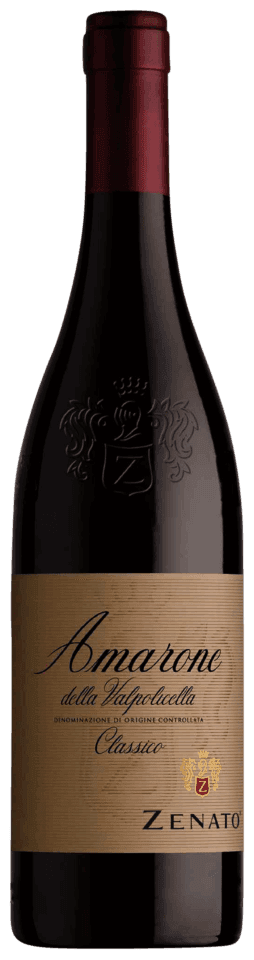
To explore the style, see the Zenato Amarone della Valpolicella Classico 2020. If you want to compare particular Amarones, we also have a separate guide to our best Amarone picks. That list is about individual bottles; this article helps you choose the right style first.
What happens in Ripasso?
Ripasso literally means passing over again. After Amarone — and sometimes Recioto — has fermented, wine pomace and grape skins remain. A basic Valpolicella is refermented on them. The skins contribute, among other things, colour, extract and aroma. The consortium therefore describes Ripasso as having more alcohol, phenolic substances and extract than basic Valpolicella.
This is not a shortened version of appassimento. Ripasso starts as an ordinary Valpolicella and undergoes its second fermentation only after Amarone production. That usually makes it more approachable than Amarone, while giving it more structure than a simple Valpolicella.
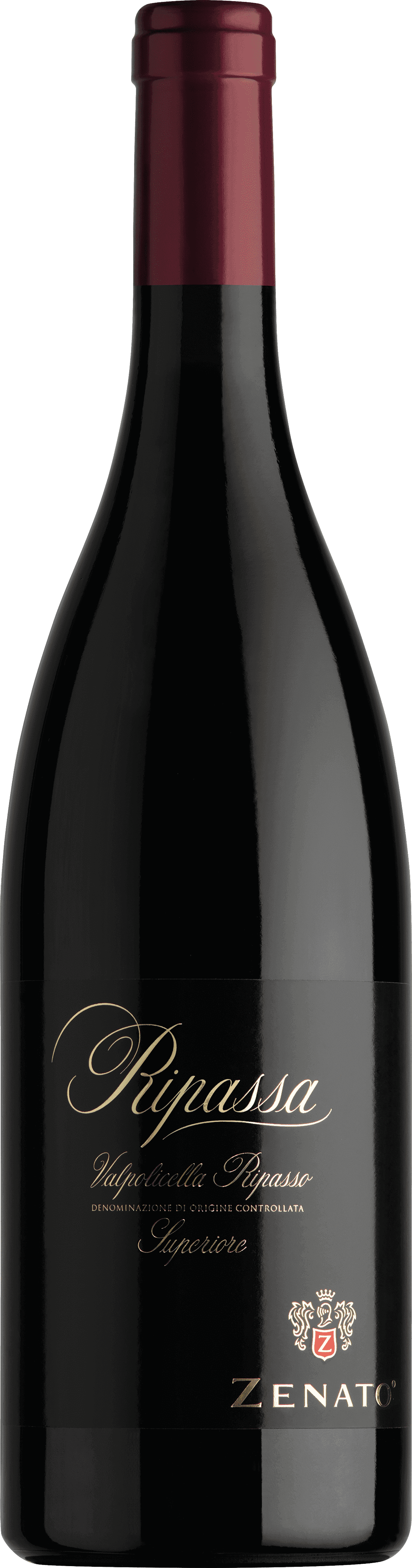
One direct option is the Zenato Ripassa Valpolicella Ripasso Superiore 2021. Zenato describes precisely this second, short fermentation on Amarone pomace for the wine. See the product page for the current price, vintage and availability.
Which should you choose with food?
Choose Ripasso when food is the focus and you want a red to accompany a winter pasta, stew, meat dish or medium-aged cheese. Its serving guidance is 15 to 18 °C.
Choose Amarone when both the dish and the moment call for more concentration: game, robust meat dishes and well-aged cheese are classic partners. Amarone can also work well when the evening continues after dinner. Start on the cool side and let the wine open gently in the glass.
Not sure? Start with the meal and your preference for body, rather than the name on the label. For a weekday stew or pasta, Ripasso often fits well. For a more assertive dish or an evening when wine may take centre stage, Amarone makes more sense.
Discover more from Valpolicella
To see several Amarones together, visit our Amarone collection. For the background to the drying method, read Amarone: the wine that rewards your patience. That way you can choose not just by the name, but by the style and food you want to serve.