Most people who look up Tignanello want to know two things: what kind of wine it actually is, and when to open it. We stock the Antinori Tignanello 2022, so that is the bottle this guide is about. After that, we look at the other Tuscan reds in our range and when you might reach for them instead: a different occasion, a different dish or a different style.
The product pages show the current price, vintage and availability. Every bottle in this guide is also listed under our wines from Tuscany.
The short version
- For a special dinner or for the cellar: Tignanello 2022.
- Pure Sangiovese from Chianti Classico: Fontodi Vigna del Sorbo Gran Selezione 2019.
- Cabernet in the lead, from the coast: Campo alla Sughera Arnione Bolgheri Superiore 2021.
- Brunello with braises and game: Altesino Brunello di Montalcino 2020 or the Riserva 2019.
- For a weeknight, with the same Tuscan signature: Altesino Rosso di Montalcino 2024.
Wines from this article
The bottles from this article, at current prices.The bottles discussed in this article, from our own selection. Prices and vintages are current.
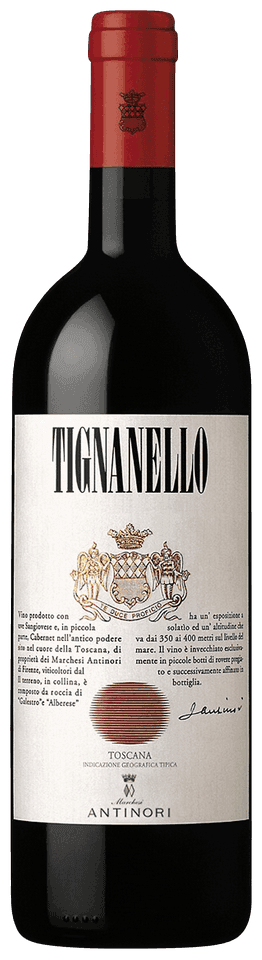
Marchesi Antinori, Tuscany
Tignanello 2022
- Region
- Tuscany
- Grapes
- Sangiovese, Cabernet Sauvignon, Cabernet Franc
- Alcohol
- 14%
Taste profile: Cherries, black cherries, pomegranate
€175.00
incl. VAT
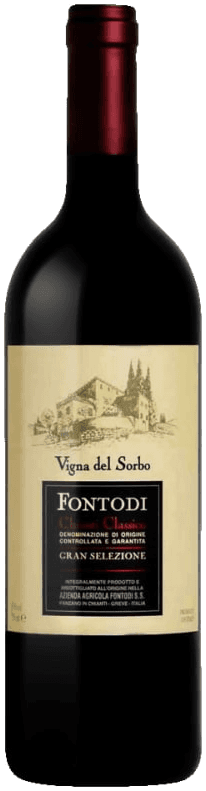
Fontodi, Tuscany
Vigna del Sorbo Chianti Classico Gran Selezione 2019
- Region
- Tuscany
- Grapes
- Sangiovese
- Alcohol
- 14.5%
Taste profile: Black cherry, wild berries, violets
€84.95
incl. VAT
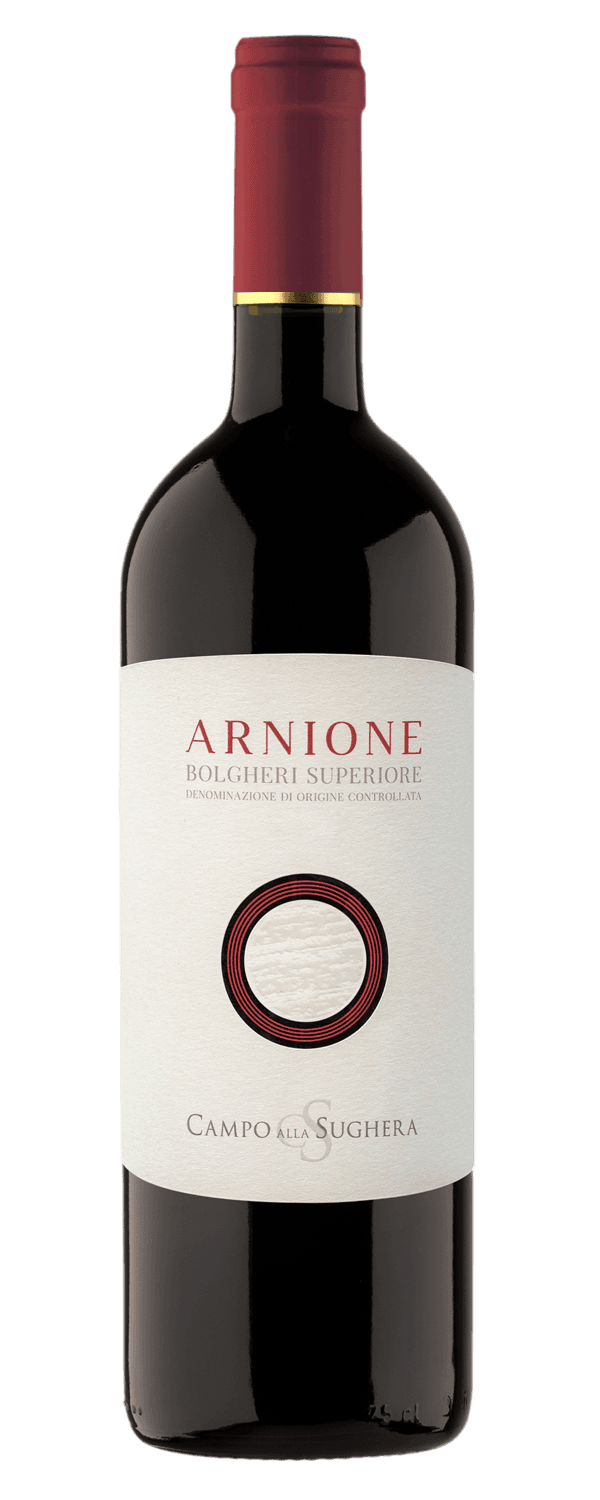
Campo alla Sughera, Tuscany
Arnione Bolgheri Superiore 2021
- Region
- Tuscany
- Grapes
- Cabernet Sauvignon, Cabernet Franc, Merlot
- Alcohol
- 14.5%
Taste profile: Black currant, blackberry, plum
€64.95
incl. VAT
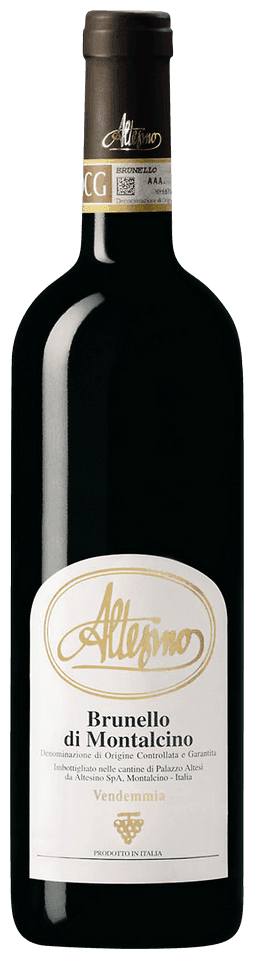
Altesino, Tuscany
Brunello di Montalcino 2020
- Region
- Tuscany
- Grapes
- Sangiovese
- Alcohol
- 14%
Taste profile: Violets, wild berries, tobacco
€51.95
incl. VAT
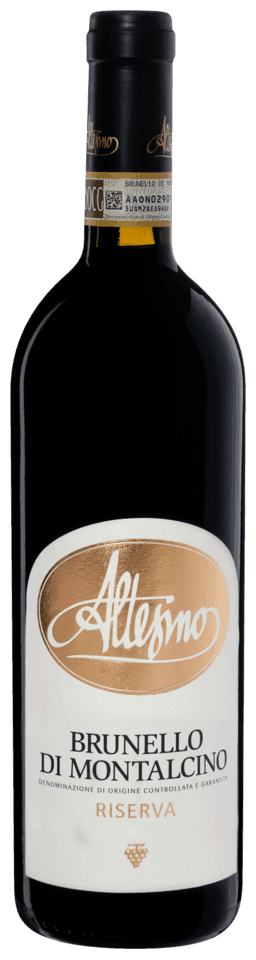
Altesino, Tuscany
Brunello di Montalcino Riserva 2019
- Region
- Tuscany
- Grapes
- Sangiovese
- Alcohol
- 14.5%
Taste profile: Dried cherries, ripe red fruit, humus
€95.95
incl. VAT
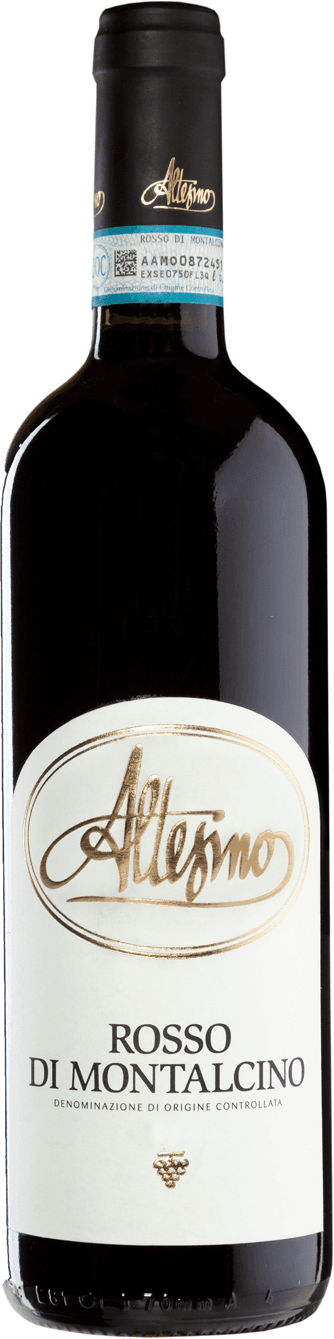
Altesino, Tuscany
Rosso di Montalcino 2024
- Region
- Tuscany
- Grapes
- Sangiovese
- Alcohol
- 13%
Taste profile: Blackberries, dark cherries, red berries
€21.95
incl. VAT
Altesino, Tuscany
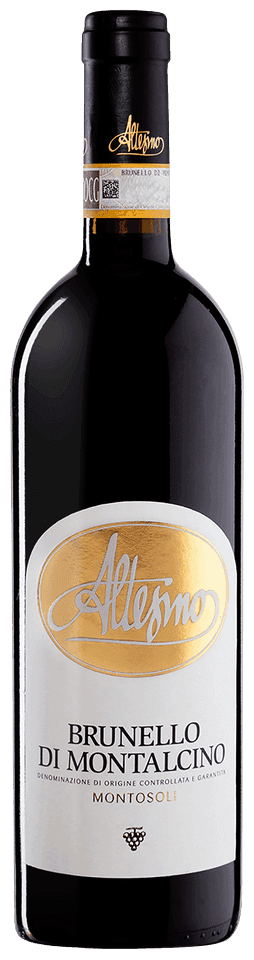
Brunello di Montalcino Montosoli 2020
- Region
- Tuscany
- Grapes
- Sangiovese
- Alcohol
- 14%
Taste profile: Black cherries, blackberries, raspberry
€105.00
incl. VAT
Altesino, Tuscany
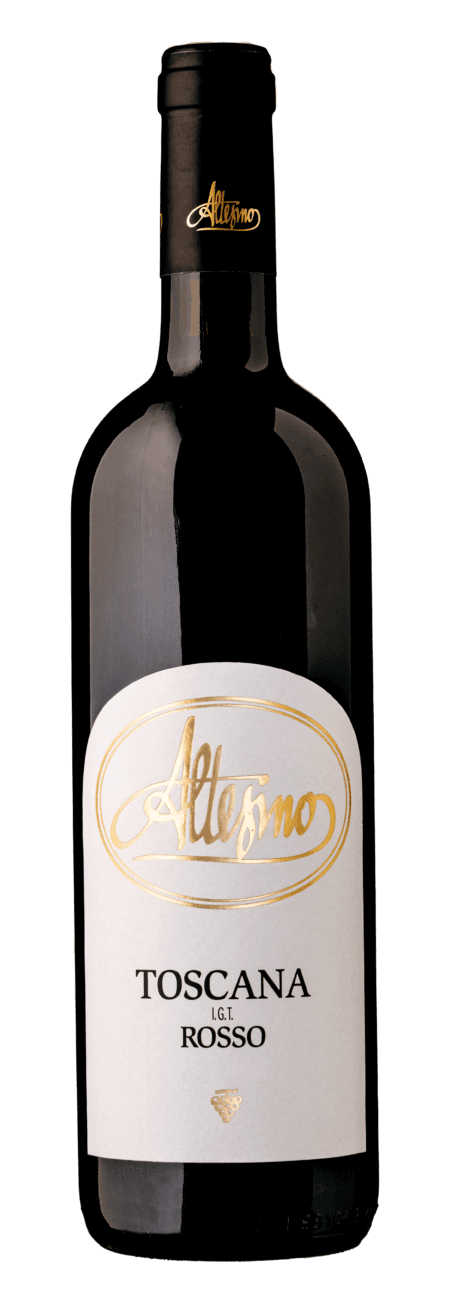
Rosso Toscana 2024
- Region
- Tuscany
- Grapes
- Sangiovese, Merlot, Cabernet Sauvignon
- Alcohol
- 13.2%
Taste profile: Red berries, forest fruits, cherries
€16.95
incl. VAT
What is Tignanello?
Tignanello is the red wine of Marchesi Antinori and one of the very first Super Tuscans: the wine with which Antinori changed the Tuscan wine world in the 1970s. Super Tuscans emerged outside the traditional rules, often by combining Sangiovese with French grapes such as Cabernet Sauvignon.
The wine takes its name from the vineyard: 77 hectares at 350 to 400 metres, in the heart of the Chianti Classico zone, on limestone-rich alberese and marl. Sangiovese remains the backbone. In the 2022 it makes up 78%, with 18% Cabernet Sauvignon and 4% Cabernet Franc. That balance explains the character: Tuscan in its fruit and acidity, with the depth and structure the Cabernet brings.
How does Tignanello 2022 drink?
The colour is deep ruby with a purple rim. On the nose there is cherry and black cherry, pomegranate and violets, with a fresh balsamic note; the vanilla from the oak stays in the background. The palate is compact yet fresh, with supple, savoury tannins and a long finish.
After fermentation in conical tanks, the wine spends just over thirteen months in oak, mostly new French with some Hungarian, followed by twelve months in bottle. Wine Advocate gave the 2022 97 points, James Suckling and Falstaff 96 each. Scores like these tell you about the class of the wine, less about whether it suits your table. For that, the occasion and the food matter more.
When should you open it?
The 2022 is drinking well from 2026 and will keep until well beyond 2040. That leaves you two good options. Open it now and the fruit and freshness lead. In that case, give a young bottle some air in a decanter and serve it at 18°C. Lay it down and it has time to develop further. Buy two bottles and you can do both, and compare.
What to eat with Tignanello
The classic match is bistecca alla fiorentina: a thick T-bone from the grill with nothing more than salt, pepper and olive oil. Other grilled red meat, game and aged cheeses work well too. The Sangiovese acidity cuts through the fat, and the Cabernet can stand up to the charred crust. Heavy or sweet sauces are unnecessary; the wine has plenty of flavour of its own. After the meal, aged cheeses work better than an elaborate dessert.
Tignanello 2019, 2020 or 2022?
Tignanello has been made for decades, so there are many vintages, including the 2019 and 2020 that people often search for. We stock the 2022, and everything this guide says about taste, ageing and drinking window refers to that bottle. We do not publish tasting notes for vintages we do not sell ourselves.
Other Tuscan reds: choose by occasion and style
Tignanello is not Tuscany's only great red, and not always the right bottle for the moment. These are the wines we put next to it.
Pure Sangiovese: Fontodi Vigna del Sorbo
If you want to taste Chianti Classico Sangiovese without any Cabernet, open the Fontodi Vigna del Sorbo Chianti Classico Gran Selezione 2019. The grapes come from a high, organically farmed plot in the Conca d'Oro of Panzano, on limestone-rich galestro. Black cherry and wild berries, violets, tobacco and cedar, with lively acidity and a long, mineral finish. Poured next to Tignanello, it shows exactly what the Cabernet adds. Serve it with bistecca, wild boar or truffle, and give it plenty of air.
Cabernet in the lead: Arnione Bolgheri Superiore
If it is the Cabernet in Tignanello that appeals to you, look to the coast. The Campo alla Sughera Arnione Bolgheri Superiore 2021 blends Cabernet Sauvignon, Cabernet Franc, Merlot and Petit Verdot from plots that are picked separately and only brought together after ageing. Blackcurrant, blackberry and plum, Mediterranean herbs, eucalyptus and cocoa. Full and concentrated, yet precise thanks to its fresh acidity. Give a young bottle some air and pour it with red meat, game or mushrooms.
Brunello di Montalcino for braises and game
For a long evening with a braise, ossobuco or game, choose Brunello. Altesino's Brunellos are pure Sangiovese from Montalcino. The Altesino Brunello di Montalcino 2020 is the classic version, with violets, wild berries, tobacco and forest floor, warm and velvety, and fresh acidity that keeps it elegant. The Altesino Brunello Riserva 2019 is made only in the best years and ages for longer, showing dried cherry, leather and liquorice with powerful, polished tannins. For a single vineyard, choose the Altesino Montosoli 2020 from the historic hill north-east of Montalcino. We explain the difference between the three in annata, Riserva or Montosoli.
For a weeknight
Not every evening calls for a big bottle. The Altesino Rosso di Montalcino 2024 comes from the younger vines around Montalcino: blackberries, dark cherries and an earthy spice, supple and fruit-driven, lovely with pasta in a meat sauce. Lighter still is the Altesino Rosso Toscana 2024, 80% Sangiovese with Merlot and Cabernet Sauvignon, which follows the same idea as Tignanello on a smaller scale. Juicy and medium-bodied, it suits antipasti or creamy pasta. There is more on the grape itself on our Sangiovese page.
Frequently asked questions about Tignanello
Is Tignanello a Chianti?
No. The vineyard lies in the heart of the Chianti Classico zone, but Tignanello is a Super Tuscan: a blend of Sangiovese with Cabernet Sauvignon and Cabernet Franc, made outside the traditional rules. If you are after a great Chianti Classico, look at the Vigna del Sorbo Gran Selezione.
How is it different from Brunello di Montalcino?
The Altesino Brunellos in our range are pure Sangiovese from Montalcino. Tignanello comes from the Chianti Classico zone and includes Cabernet Sauvignon and Cabernet Franc in the blend. To get to know both, try the Altesino Brunello 2020 next to the Tignanello.
How long will Tignanello 2022 keep?
It is drinking well from 2026 and will keep until well beyond 2040, provided it is stored on its side, in the dark and at a steady, cool temperature.
Drink responsibly. 18+