
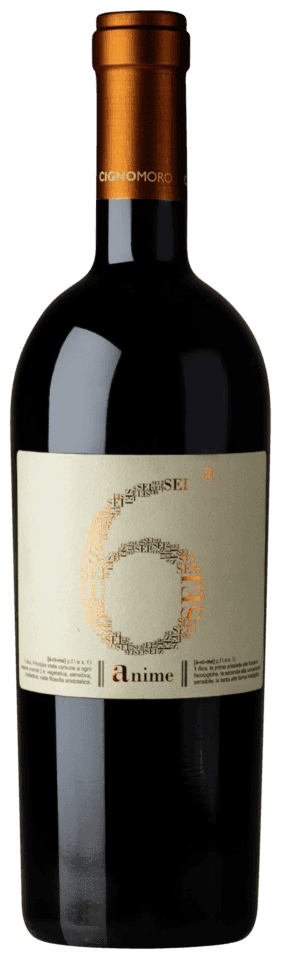
Cignomoro, Puglia
6 Anime Puglia Rosso
4.0/52 sources
Red wine
- Type
- Red wine
- Region
- Puglia
- Grapes
- Primitivo, Negroamaro, Malvasia Nera
- Alcohol
- 13.5%
Taste profile: Rijpe zwarte bessen, blackberries, chocolate
€26.95
incl. VAT
Grape
Primitivo is the grape of southern Italy: early ripening, generous and full of ripe fruit, and genetically identical to California's Zinfandel. On this page you'll find everything about the Primitivo grape: where it comes from, what the wine tastes like, what to pair it with, and which Primitivo wines you can order directly from us.
Primitivo is the grape of southern Italy: early ripening, generous and full of ripe fruit, and genetically identical to California's Zinfandel. On this page you'll find everything about the Primitivo grape: where it comes from, what the wine tastes like, what to pair it with, and which Primitivo wines you can order directly from us.
6 wines, from €12.95
Ships from Maastricht to NL, BE, DE, LU, AT, FR, ES, IT, PT, CH, AD, MC. Free standard shipping from €250 in NL and BE.
Cignomoro, Puglia
Red wine
Taste profile: Rijpe zwarte bessen, blackberries, chocolate
€26.95
incl. VAT
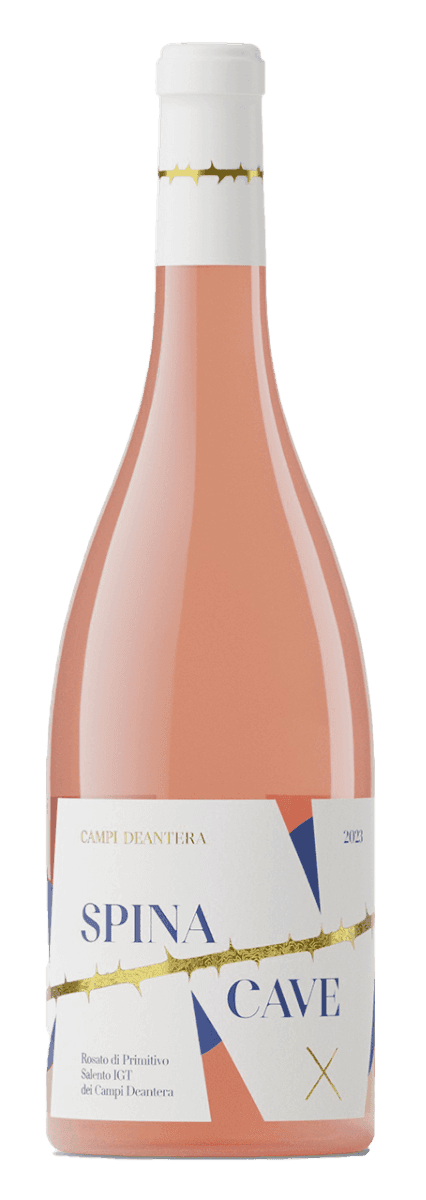
Campi Deantera, Puglia
Rosé wine
Taste profile: Strawberries, cherries, watermelon
€13.50
incl. VAT
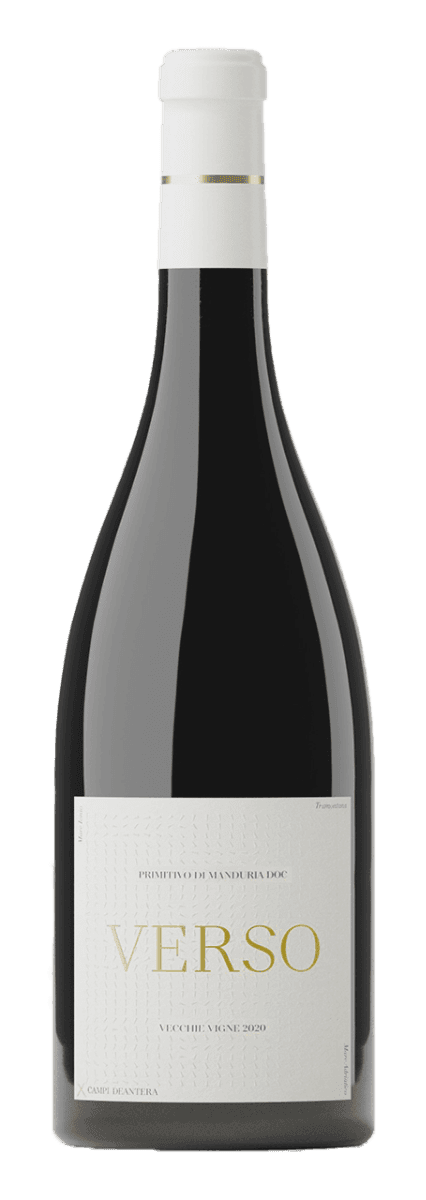
Campi Deantera, Puglia
Red wine
Taste profile: Ripe cherries, plums, blackberries
€29.95
incl. VAT
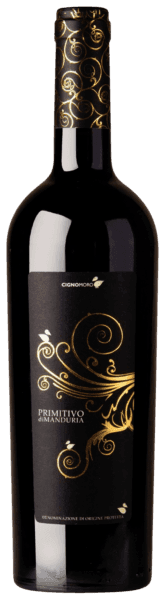
Cignomoro, Puglia
Red wine
Taste profile: Ripe plums, cherries, blackberries
€17.95
incl. VAT
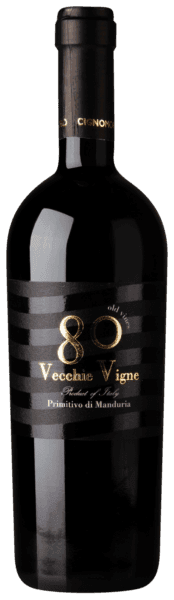
Cignomoro, Puglia
Red wine
Taste profile: Ripe cherries, blackberries, undergrowth
€29.50
incl. VAT
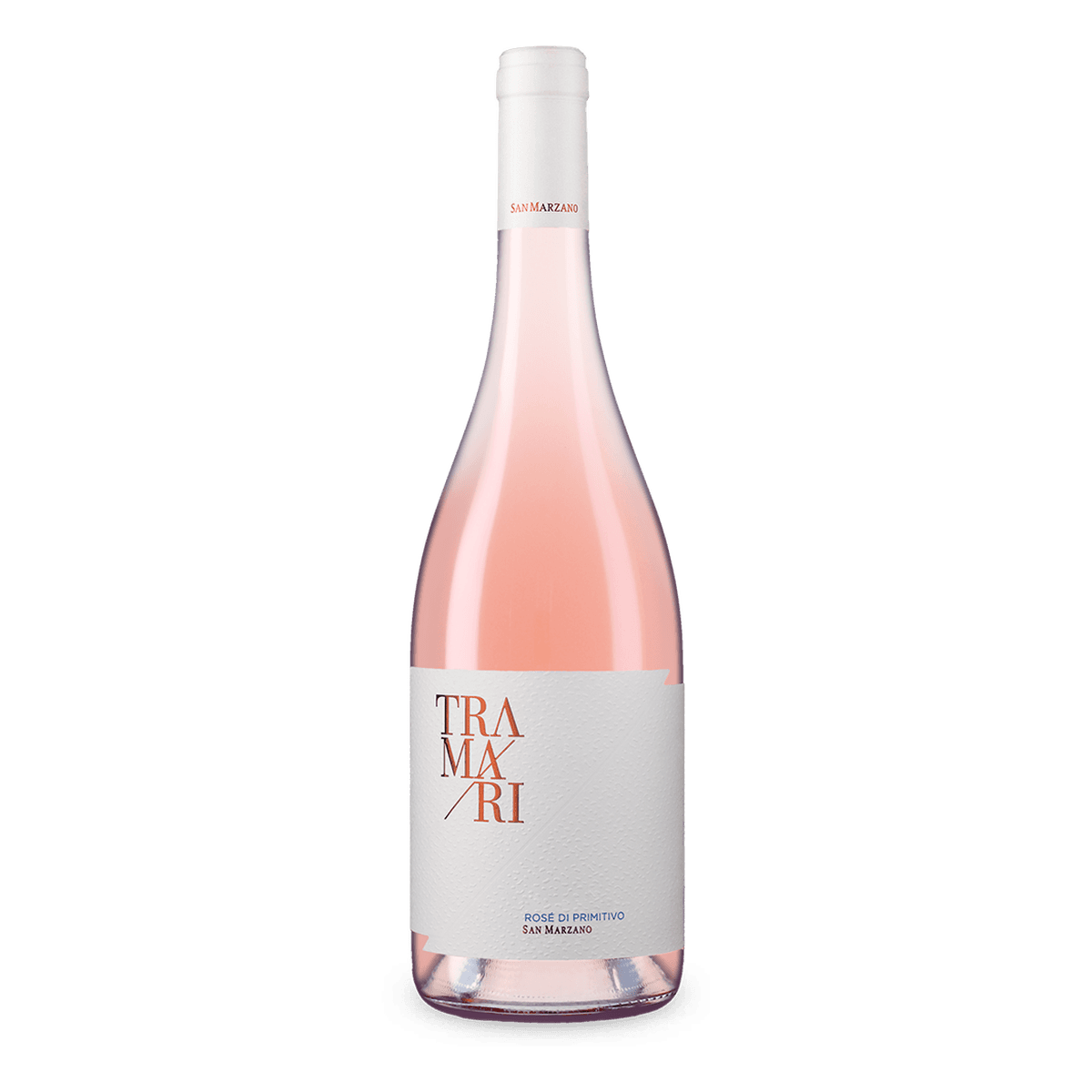
San Marzano, Puglia
Rosé wine
Taste profile: Cherry, raspberry, mediterranean herbs
€12.95
incl. VAT
Primitivo is the signature red grape of Puglia, the heel of the Italian boot. The name derives from the Latin 'primativus', referring to the grape's early ripening: Primitivo is often one of the first grapes to be harvested, sometimes as early as August.
For a long time Primitivo was thought to be a purely Italian grape, until DNA research showed that it is genetically identical to California's Zinfandel and to the old Croatian grape Tribidrag. Centuries ago the grape travelled along the Adriatic coast to Puglia and found its ideal home there: abundant sunshine, warm sea breezes and limestone-rich soils.
The beating heart of Primitivo lies around the town of Manduria, between Taranto and Lecce. That is where the oldest vines grow, often still pruned in the traditional alberello (bush vine) system, and where the most famous wine comes from: Primitivo di Manduria DOC.
Primitivo is the south of Italy captured in a glass: generous, warm and fruit-driven. On the nose you'll find ripe plums, cherries and blackberries, often joined by chocolate, vanilla, tobacco and sweet spice. In wines from old vines, notes of raisins, dried herbs and coffee appear as well.
On the palate, Primitivo is full and round, with soft, velvety tannins and a generous alcohol level. Unlike a Sangiovese, for example, Primitivo is not about taut acidity but about richness and smoothness — a wine that embraces you from the very first glass.
The grape also has a surprisingly fresh side: harvested early and vinified with only brief skin contact, Primitivo produces a juicy, fruity rosé with strawberry, cherry and Mediterranean herbs. One grape, two completely different faces of Puglia.
Serve red Primitivo at 16 to 18 degrees Celsius. Served too warm, the alcohol starts to dominate, so feel free to take the bottle out of the room half an hour ahead or give it a short spell in the fridge. A Rosato di Primitivo, on the other hand, is best enjoyed well chilled, around 8 to 10 degrees.
At the table, Primitivo is the life of the party. Its rich, fruity style is a beautiful match for grilled and roasted meat — think spare ribs, barbecue, lamb dishes and tomato-based stews. Southern Italian classics such as orecchiette with sausage or pasta with a hearty ragù are equally spot on.
Vegetarian pairings work just as well: grilled aubergine, mushroom risotto or dishes with roasted peppers easily hold their own next to the full flavour. And with semi-mature and aged cheeses, Primitivo's sweet fruitiness shines even brighter.
If you want to buy Primitivo wine, NEVINI offers a carefully selected range from the heart of Puglia, from Cignomoro and Campi Deantera.
The Cignomoro Primitivo di Manduria DOC is the perfect introduction: 100% Primitivo from the famous DOC, full and powerful with ripe plums, cherries and chocolate. Ready for the next step? Choose the 80 Vecchie Vigne from the same house, made from vines roughly eighty years old with tremendous concentration, or the Verso by Campi Deantera, sourced from old alberello vineyards.
Prefer something fresh? The Spinacave Rosato di Primitivo shows the grape's summery side. And in Cignomoro's 6 Anime, Primitivo takes the lead in a blend of six typical Puglia grapes.
All bottles are easy to order online, directly from the importer. Not sure which Primitivo suits you best? Send us a message on WhatsApp — we're happy to think along with you from our home base in Maastricht.
Explore further: all Primitivo, Negroamaro and Verdeca from the heel of Italy are together on our Puglia page. Or browse all our Italian wines and our red wines.
Yes, genetically Primitivo and Zinfandel are the same grape, both descended from the old Croatian variety Tribidrag. The wines taste different, though: Italian Primitivo is usually a bit spicier and earthier, while Californian Zinfandel often comes across jammier and sweeter. Climate, soil and winemaking style make the difference.
The name derives from the Latin 'primativus' and refers to the grape's early ripening. Primitivo is often one of the first grapes to be harvested in Puglia, sometimes as early as late August. It has nothing to do with 'primitive' in the sense of simple or crude.
Primitivo di Manduria is the best-known appellation (DOC) for Primitivo, named after the town of Manduria in Puglia. The oldest Primitivo vines grow around Manduria, often trained in the traditional alberello system. Wines carrying this name must meet strict requirements and are considered the benchmark for the grape.
Primitivo is full-bodied, round and fruit-driven, with ripe plums, cherries and blackberries, complemented by chocolate, vanilla and sweet spice. The tannins are soft and the alcohol generous. Wines from old vines show extra concentration with notes of raisins, coffee and dried herbs.
Primitivo is an ideal wine with grilled meat, barbecue, spare ribs, lamb dishes and tomato-based stews. Hearty pastas, grilled vegetables and semi-mature cheeses also make lovely matches. Serve red Primitivo at 16 to 18 degrees Celsius; a Rosato di Primitivo is best chilled at around 8 to 10 degrees.