
A cheeseboard on the table and a bottle of red wine beside it. It is one of the most common combinations in the Netherlands, yet also one of the least logical. Red wine and cheese clash more often than you might think. In this guide, we explain which wine style works with each type of cheese and why. We use bottles from our own collection as examples, so you can put our advice to the test tonight.
Why red does not always win
Cheese is rich and salty. Red wine brings tannins, the drying compounds that come from grape skins and oak. The two can clash: tannins make salty cheese taste bitter and metallic, while the fat can flatten the wine. White wine does not have that problem. Its fresh acidity cuts through the richness and cleanses your palate for the next bite.
Remember one rule of thumb: the younger and creamier the cheese, the fresher the wine should be. The older and firmer the cheese, the more power and maturity the wine can handle. Red only comes into play at the far end of that spectrum.
Soft, creamy cheeses: choose bubbles
Brie, Camembert and other bloomy-rind cheeses need something that cuts through their creaminess. Nothing does that better than sparkling wine. The bubbles and freshness work like a sponge for the richness, while the yeasty notes of a good bottle fit seamlessly with the mushroom-like flavour of the rind.
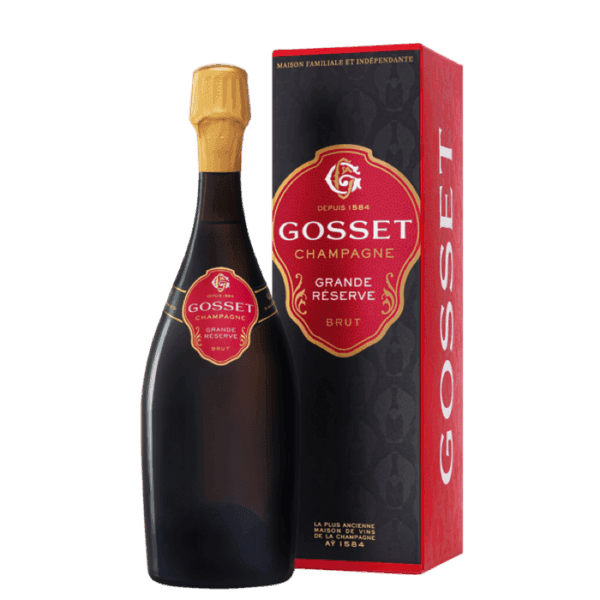
Our Gosset Grande Réserve Brut is the finest choice we have for this pairing. Gosset is the oldest wine house in Champagne and makes wines with depth and a precise, fresh line. Alongside a ripe Brie, something beautiful happens: the cheese becomes buttery while the Champagne remains crystal clear.
Goat's cheese: freshness meets freshness
Goat's cheese has a distinctive, gently tangy taste. It calls for a wine that speaks the same fresh language. Sauvignon Blanc is the classic pairing, and it is a classic for good reason.
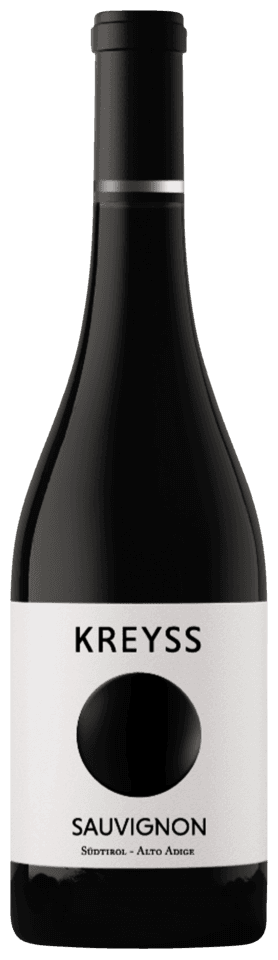
Our Kreyss Sauvignon Blanc comes from Alto Adige in Italy's mountainous north. The altitude gives the wine cool tension, with notes of gooseberry and fresh herbs. Whether served with a warm goat's cheese salad or simply on the board, this is a combination that always works.
Semi-mature cheese: the domain of mature white wine
Semi-mature Gouda is the most difficult case on the board. It has too much character for a light white but too much salt for a powerful red. The solution lies in the middle: a white wine with maturity and body. Mature white Rioja is our regular recommendation, combining freshness, nuts and a subtle touch of oak. Read more about Rioja and why we value the region in our Spanish selection.
Mature and hard cheeses: power meets power
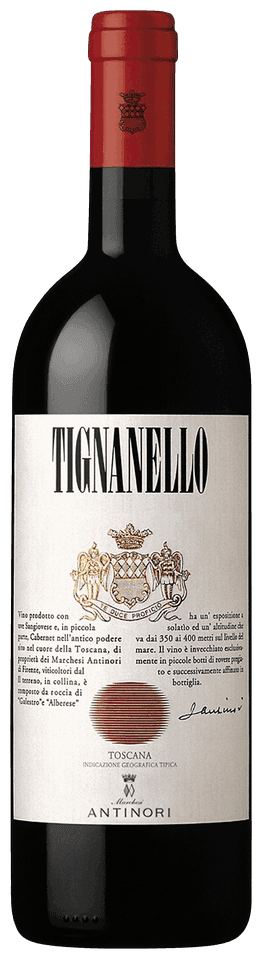
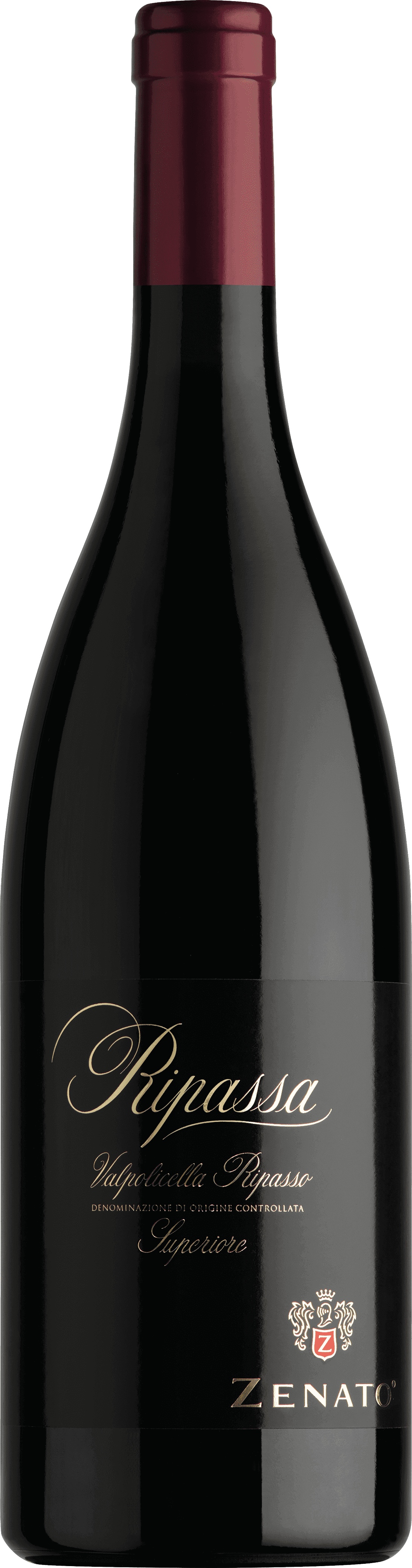
With mature Gouda, Parmesan or aged Manchego, red wine can finally come to the table. These cheeses bring umami, crystals and a deep, almost sweet flavour. They can stand up to a concentrated wine.
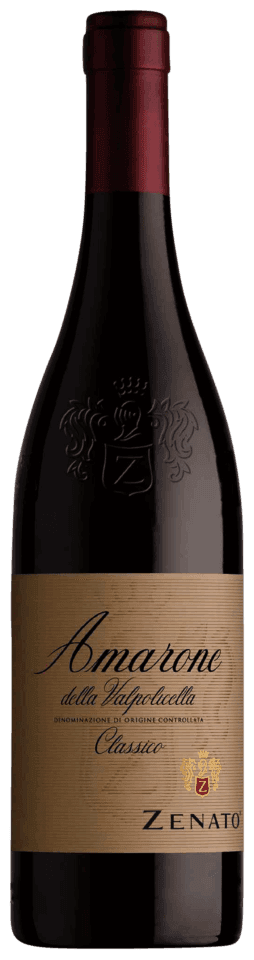
Our Zenato Amarone della Valpolicella is made from dried grapes and provides exactly that depth: Morello cherries, dried plums and cocoa in a full, warm structure. A piece of mature cheese with a glass of Amarone is one of the best ways we know to end an evening.
Blue cheeses: sweet beside salty
Gorgonzola, Roquefort or a Dutch blue: the saltier and more intense the cheese, the better a sweet wine works. Sweet and salty enhance one another, following the same principle as salted caramel.
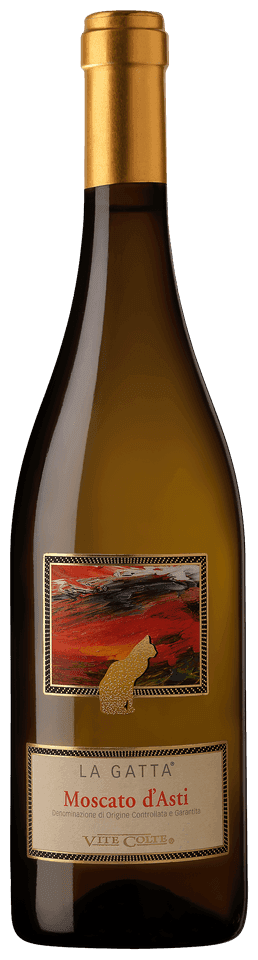
Our La Gatta Moscato d'Asti is a surprisingly light choice. Gently sparkling, low in alcohol and full of grape and blossom aromas. Beside a strong blue cheese, the intensity becomes softer and rounder. Once you have tried this, you will never put red wine next to Gorgonzola again.
How to assemble your cheeseboard
You do not need to open a separate bottle for every cheese. Choose three cheeses from different families, such as a Brie, a semi-mature Gouda and a blue, and serve two wines: a fresh white or sparkling wine to begin, followed by a powerful or sweet bottle. Serve the cheeses at room temperature so their flavours can fully emerge.
Ready to taste? All four bottles in this guide come from our own collection, imported from winemakers we know personally. Open a bottle, prepare the board and discover which pairing becomes your favourite.
Drink responsibly. 18+